Mojtaba Khamenei Takes Power in Iran Amid War and Political Turmoil

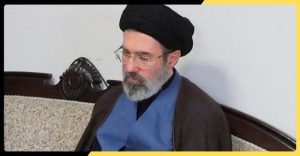
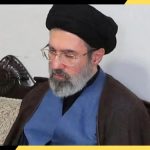
Iran has entered a new phase of leadership after Mojtaba Khamenei was officially named the country’s Supreme Leader, succeeding his father Ali Khamenei, who was killed in a wave of airstrikes during escalating regional hostilities.
The decision was announced by Iran’s Assembly of Experts, the clerical council responsible for appointing the nation’s highest authority. The body confirmed that Mojtaba Khamenei received a decisive vote from its members, placing him at the helm of the Islamic Republic during what many analysts describe as the country’s most serious crisis in decades.
The younger Khamenei, a 56-year-old cleric, has long been viewed as a powerful figure within Iran’s political establishment despite maintaining a relatively low public profile. Over the years, he cultivated strong relationships with the Islamic Revolutionary Guard Corps, the influential military force responsible for protecting Iran’s political system and projecting its power abroad.
The appointment comes just days after the killing of Ali Khamenei in a military strike that intensified tensions across the Middle East. The incident triggered retaliatory threats, regional instability, and sharp increases in global oil prices as markets reacted to fears of a wider war.
Observers say Mojtaba’s rise signals continuity rather than reform. He is widely regarded as a hardline figure aligned with conservative factions within Iran’s ruling establishment. Many analysts believe his leadership will reinforce Iran’s confrontational stance toward its adversaries, particularly the United States and Israel.
However, the succession has also sparked debate inside Iran. Critics argue that the transfer of power from father to son contradicts the revolutionary ideals of the Islamic Republic, which sought to eliminate hereditary rule after the overthrow of the monarchy in 1979.
Despite these concerns, the country’s key institutions have rallied behind the new leader. Military commanders, government officials, and religious authorities have publicly pledged allegiance, emphasizing the need for unity during wartime.
Mojtaba Khamenei now inherits sweeping authority over Iran’s political system. As supreme leader, he holds ultimate control over the armed forces, intelligence agencies, judiciary, and state broadcasting network. He also has the final say on strategic decisions related to foreign policy and national security.
With conflict intensifying across the region and global attention fixed on Tehran, the world is closely watching how the new leader will shape Iran’s strategy. Whether he chooses escalation, deterrence, or diplomacy could have profound consequences for regional stability.
For Iran, the appointment marks not just a change in leadership but the beginning of a potentially defining chapter in the nation’s modern history.
Journalist Details

Latest entries
 NewsMarch 9, 2026Mojtaba Khamenei Takes Power in Iran Amid War and Political Turmoil
 NewsMarch 5, 2026Canadian Police Probe Killing of Punjabi Influencer Known for Criticizing Khalistan Movement
 NewsMarch 2, 2026Strategic Shock: Militants Target Nur Khan Airbase in Wave of Attacks Across Pakistan
 EntertainmentMarch 1, 2026Trouble in Paradise? Vijay and Sangeetha’s Marriage Faces Legal Battle Amid Rumor Storm