Train Ticket Cancellations to Cost More: Railways Updates Refund Policy
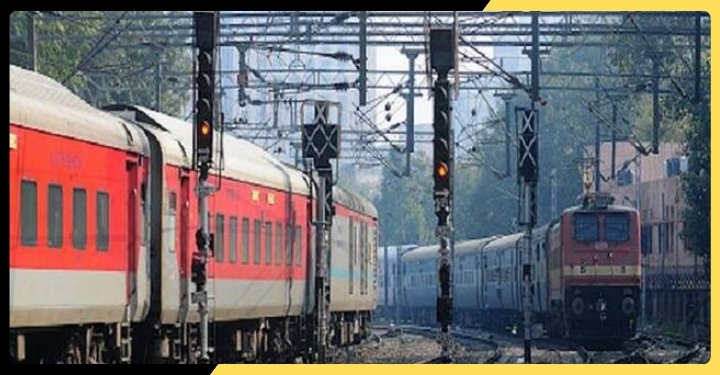
Travelling by train may now require more careful planning as Indian Railways has updated its ticket cancellation charges, making last-minute changes more expensive for passengers.
The revised policy introduces a dynamic structure where cancellation charges depend not only on the class of travel but also on how close the cancellation is to the departure time. This marks a shift from the earlier system that relied largely on fixed fees.
Passengers cancelling tickets more than 48 hours before departure will still incur standard charges, though these have been slightly increased across all classes. However, cancellations made within 48 hours of departure will now attract significantly higher deductions.
For cancellations made between 48 and 12 hours before departure, up to 25% of the fare may be deducted. This rises to as much as 50% for cancellations made between 12 hours and 4 hours before departure.
No refund is typically granted if a confirmed ticket is cancelled less than 4 hours before departure or after chart preparation. This rule remains unchanged but gains more significance under the revised policy.
Officials from Indian Railways say the changes aim to curb misuse of the booking system, where passengers often reserve tickets in bulk and cancel them at the last moment. Such practices lead to inefficiencies and prevent genuine travelers from securing confirmed seats.
The updated rules are also expected to benefit passengers on waiting lists, as fewer last-minute cancellations will mean better chances of seat allocation earlier in the process.
The IRCTC website and app have already been updated to reflect the new charges, ensuring passengers can view exact deductions before cancelling tickets.
Travel experts advise passengers to consider travel insurance or flexible booking options when planning trips, especially during peak seasons when plans are more likely to change.
While the revised charges may seem steep, railway authorities emphasize that they are in line with global practices and are intended to improve the reliability and efficiency of train travel in India.
Journalist Details

Latest entries
 NewsOctober 12, 2026INDIA Bloc Raises Vote Theft Concerns as CJI Directs Attention to Legal Process
 NewsOctober 5, 2026Runoff Looms in Brazil as Bolsonaro’s Lead Narrows During Vote Count
 Latest NewsOctober 1, 2026Tennessee Halts Executions After Christa Pike Survives Death Sentence Attempt
 Latest NewsSeptember 26, 2026Gyanesh Kumar Row Expands as Political Parties Seek Greater Transparency From Poll Body