Education Policy Sparks Demonstrations: Why Students Are Demanding a UGC Rollback
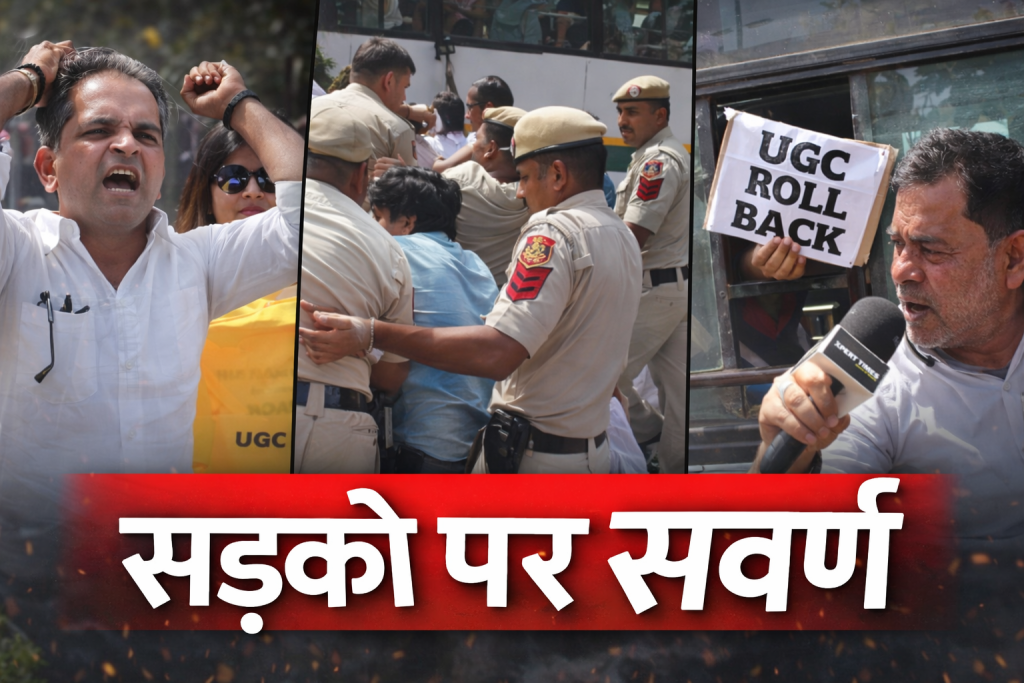
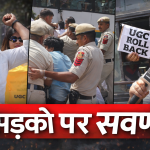
A major demonstration at Delhi’s Ramleela Maidan has drawn national attention to the debate surrounding recent University Grants Commission (UGC) policies. Students, educators, and activists gathered to demand the rollback of decisions they believe could reshape India’s higher education landscape.
The protest highlighted widespread concern about how policy changes might affect universities, academic freedom, and student opportunities. Participants argued that higher education reforms must be carefully designed to protect both accessibility and academic standards.
For many students attending the rally, the issue is deeply personal. They believe that decisions taken by regulatory bodies can directly influence their career paths, research prospects, and overall educational experience. As a result, they see public demonstrations as a way to ensure their voices are heard.
During the protest, several speakers addressed the crowd, explaining why they believe the UGC policies should be reconsidered. Their arguments focused on transparency, consultation, and the long-term implications of structural changes in the education system.
A recurring theme throughout the rally was the demand for greater stakeholder involvement. Protesters argued that universities, faculty members, and students should play a larger role in shaping policies that affect them. According to them, collaborative decision-making can lead to more balanced and effective reforms.
Another concern raised by demonstrators was the potential impact on university autonomy. Academic institutions often rely on the freedom to design programs, hire faculty, and conduct research independently. Protesters warned that excessive centralization could weaken this autonomy and limit innovation within the education sector.
The demonstration also served as a reminder of the strong tradition of student activism in India. Throughout history, student movements have influenced debates on social issues, governance, and education policy. The Ramleela Maidan protest fits into this broader pattern of young citizens actively participating in democratic processes.
Importantly, many participants emphasized that their goal is constructive engagement rather than confrontation. They called on authorities to open channels for dialogue and to carefully review the concerns raised by students and educators.
Public response to the protest has been mixed. Some observers support the demonstrators’ call for more inclusive policymaking, while others argue that reforms are necessary to modernize the education system. This divergence of views reflects the complexity of managing a large and diverse higher education sector.
As discussions continue, the protest has succeeded in bringing attention to a critical issue: the future of India’s higher education system. Whether through dialogue, policy revision, or further debate, the voices heard at Ramleela Maidan have ensured that the conversation around UGC reforms will not fade anytime soon.
Journalist Details

- Jitendra Kumar is an Indian journalist and social activist from Hathras in Uttar Pradesh is known as the senior journalist and founder of Xpert Times Network Private Limited.
Latest entries
 Latest NewsMarch 10, 2026Education Policy Sparks Demonstrations: Why Students Are Demanding a UGC Rollback
 NewsMarch 9, 2026A 14-Hour Loop in the Sky: The IndiGo Flight That Left Delhi Only to Return
 Latest NewsMarch 9, 2026Jaishankar Reaffirms India’s Neutral Stand, Urges Diplomacy in West Asia War
 Crime NewsMarch 7, 2026Six Arrested So Far in Uttam Nagar Holi Lynching Case as Probe into Tarun Kumar’s Death Intensifies