Iran Warns Gulf States: Military Strikes Will Continue as Regional War Intensifies
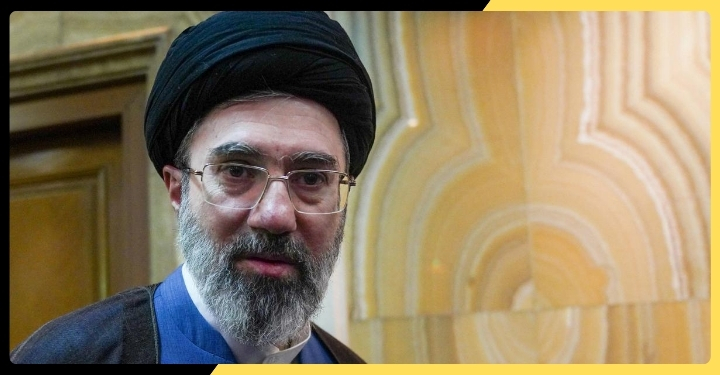
Iran’s new Supreme Leader has issued a stark warning to Gulf Arab nations, saying military attacks will continue as the conflict with Israel deepens and spreads across the region. The statement underscores Tehran’s increasingly aggressive stance and signals that the war is far from reaching a diplomatic resolution.
Ayatollah Mojtaba Khamenei, who assumed leadership following the death of his father in an Israeli strike, delivered the message in his first major address since taking power. In the statement, he warned that countries hosting U.S. military forces could become legitimate targets if they continue to support operations against Iran.
The ongoing war has already triggered a wave of retaliatory attacks across the Middle East. Iran has launched missiles and drones at multiple targets in the Gulf, including military installations and energy facilities. Several countries, including Saudi Arabia and the United Arab Emirates, have reported intercepting incoming projectiles and activating air defense systems.
The escalation began after the United States and Israel carried out strikes on Iranian nuclear and military infrastructure. Tehran responded with what it described as “waves of resistance operations,” targeting both Israeli territory and American military bases in the region.
One of the most alarming aspects of the conflict is the threat to global energy supplies. Iranian leaders have repeatedly mentioned the possibility of closing the Strait of Hormuz, a narrow waterway connecting the Persian Gulf to international markets. The strait is vital for global oil transport, and any prolonged closure could disrupt energy markets worldwide.
Oil prices have already surged amid the uncertainty. Energy analysts warn that sustained attacks on oil infrastructure or shipping lanes could push prices even higher, potentially triggering inflation and economic instability in many countries.
Beyond the Gulf, the conflict has expanded to other parts of the Middle East. Hezbollah fighters in Lebanon have launched rocket attacks against Israel, opening a northern front in the war. Israeli forces have responded with airstrikes on Hezbollah positions and military infrastructure inside Lebanon.
The widening conflict has raised fears of a full-scale regional war involving multiple states and armed groups. The United Nations and several world powers have called for immediate diplomatic efforts to prevent further escalation.
Despite those calls, Iran’s leadership appears determined to maintain pressure on its adversaries. By targeting Gulf states seen as allied with the United States, Tehran is attempting to reshape the strategic balance in the region.
For Gulf governments, the threat of continued attacks presents a major security challenge. Many of these countries host critical oil infrastructure and major international shipping routes, making them vulnerable to disruptions that could have global consequences.
With both sides showing little sign of backing down, the Middle East now faces one of the most volatile periods in its recent history.
Journalist Details

- Jitendra Kumar is an Indian journalist and social activist from Hathras in Uttar Pradesh is known as the senior journalist and founder of Xpert Times Network Private Limited.
Latest entries
 NewsMarch 12, 2026Iran Warns Gulf States: Military Strikes Will Continue as Regional War Intensifies
 NewsMarch 11, 2026West Asia Tensions Push Indian Restaurants to Rework Kitchen Energy Strategies
 Latest NewsMarch 10, 2026Education Policy Sparks Demonstrations: Why Students Are Demanding a UGC Rollback
 NewsMarch 9, 2026A 14-Hour Loop in the Sky: The IndiGo Flight That Left Delhi Only to Return