Rising Border Tensions: Afghan Forces Strike Back After Pakistani Military Operation
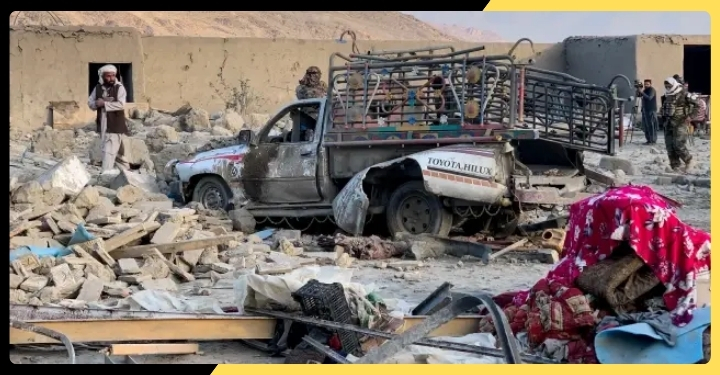
Border tensions intensified dramatically as Afghan forces carried out retaliatory strikes following Pakistani air operations that allegedly targeted militant positions inside Afghan territory. The exchange marks one of the most serious military confrontations between the two neighbors in recent months.
Pakistani officials initially defended their air campaign as a counterterrorism measure, claiming intelligence indicated that armed groups operating from across the border were planning attacks. The airstrikes reportedly focused on remote mountainous areas believed to house insurgent infrastructure.
Afghan authorities rejected that justification, accusing Pakistan of breaching sovereignty and endangering civilian lives. In a nationally broadcast statement, Afghan defense representatives said the government had “no choice but to respond decisively” to what they described as repeated cross-border aggression.
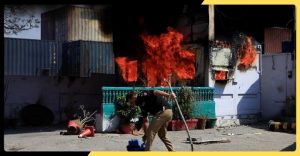
Military sources confirmed that Afghan artillery units and security forces engaged targets near the frontier, aiming at positions they identified as staging grounds for further incursions. While officials described the operation as limited in scope, eyewitnesses reported sustained shelling in several border districts.
The disputed frontier has long been a flashpoint. Historical disagreements over its legitimacy and the movement of armed groups across porous terrain have fueled mistrust for decades. Periodic clashes have erupted despite diplomatic engagements intended to manage tensions.
Humanitarian organizations expressed alarm over the potential impact on civilians. Aid workers cited reports of families fleeing affected villages and disruptions to essential services. Border communities, already vulnerable due to economic hardship, face heightened uncertainty as security conditions deteriorate.
International reaction has been swift. Regional stakeholders urged restraint, emphasizing that continued escalation could undermine fragile economic recovery efforts and destabilize neighboring areas. Calls for independent investigations into reported civilian casualties have also grown louder.
Security analysts warn that the exchange could embolden non-state armed groups, who often exploit state-level tensions to expand their influence. Prolonged instability may create operational space for militants, complicating counterterrorism objectives on both sides.
Diplomatic channels remain open, though progress appears fragile. Officials from both governments have signaled willingness to engage in talks, but neither has publicly committed to scaling back troop deployments near the border. Military reinforcements and surveillance operations continue, reflecting deep mistrust.
The situation underscores the delicate balance between counterterrorism operations and respect for territorial integrity. While both sides cite security imperatives, the absence of transparent coordination mechanisms increases the likelihood of miscalculation.
As border residents brace for further uncertainty, the coming days will be critical. Whether diplomatic intervention can halt the cycle of retaliation may determine if the latest confrontation remains contained or evolves into a broader and more destabilizing conflict.
Journalist Details

- Jitendra Kumar is an Indian journalist and social activist from Hathras in Uttar Pradesh is known as the senior journalist and founder of Xpert Times Network Private Limited.
Latest entries
 Latest NewsMarch 1, 2026Protesters Breach Barriers at U.S. Consulate in Karachi; Security Forces Fire Tear Gas, Eight Killed
 Latest NewsMarch 1, 2026Ancestry and Diplomacy: How Khomeini’s Indian Link Re-enters Debate After Iran’s Power Shift
 NewsFebruary 28, 2026Banknote Shipment Ends in Disaster as Air Force Plane Goes Down in Capital
 NewsFebruary 27, 2026Kolkata Shaken by Sudden Tremors, Panic Grips Office-Goers