
Supreme Court Clears Way as Trump Implements Sweeping 10% Tariff on All Imports
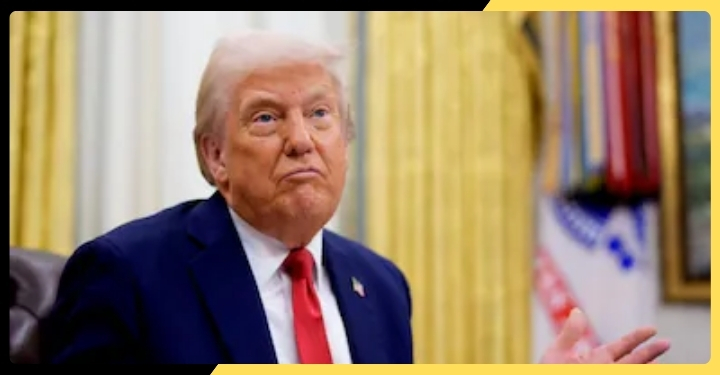
In a landmark moment for U.S. trade policy, Donald Trump has enacted a 10% tariff on all imported goods after a Supreme Court ruling upheld broad executive authority over economic emergency powers. The decision sets the stage for one of the most significant shifts in American trade policy in decades.
The new order applies a uniform 10% duty on imports across nearly all sectors. Administration officials framed the move as a strategic reset designed to reduce trade deficits, strengthen domestic manufacturing, and insulate the U.S. economy from geopolitical instability. According to aides, the tariffs are intended to be long-term unless trading partners agree to renegotiate terms deemed unfavorable to American interests.
The Supreme Court’s ruling did not explicitly endorse the tariff itself but confirmed that the executive branch retains considerable discretion in invoking national economic security justifications for trade restrictions. Legal experts say the decision effectively expands the latitude presidents have in shaping trade policy without direct congressional approval.
In announcing the measure, Trump argued that the United States has been disadvantaged by decades of trade agreements that encouraged outsourcing and weakened industrial capacity. He described the 10% tariff as a “baseline correction” that would push companies to invest domestically rather than rely on overseas production.
Business groups offered mixed reactions. Some domestic manufacturers applauded the order, anticipating reduced competition from foreign imports. Others, particularly those dependent on imported components, warned that higher input costs could reduce competitiveness and squeeze profit margins. Economists cautioned that broad tariffs tend to function as indirect taxes on consumers, with price increases likely across categories ranging from clothing to electronics.
Global leaders responded with concern. Several countries indicated they may file challenges through international trade mechanisms or consider countermeasures. Analysts suggest that the risk of retaliatory tariffs could escalate into wider trade disputes if diplomatic negotiations do not advance quickly.
Financial markets experienced immediate turbulence. The dollar fluctuated against major currencies, and bond markets reflected heightened uncertainty about inflation and growth. Some investors view the policy as a bet on reshoring and industrial revitalization, while others fear it could dampen global trade volumes and slow economic expansion.
On Capitol Hill, lawmakers debated the broader implications of the Court’s ruling. Some praised the clarification of executive authority, while others argued Congress should reclaim a more active role in trade decisions to prevent sweeping unilateral actions.
As businesses and governments assess the impact, the 10% tariff order represents more than a policy adjustment—it signals a potential restructuring of America’s role in the global trading system. Whether it strengthens domestic industry or triggers broader economic consequences will depend largely on how markets, consumers, and foreign partners respond in the months ahead.
Journalist Details

- Jitendra Kumar is an Indian journalist and social activist from Hathras in Uttar Pradesh is known as the senior journalist and founder of Xpert Times Network Private Limited.
Latest entries
 Latest NewsApril 7, 202695% Muslim Voter Deletions Spark Political Storm in Nandigram
 Bharat StoriesApril 7, 2026Saaniya Jackson: “I wanted to settle down young I am well established now to build a home & grow like a team”
 NewsApril 4, 2026Controversy in AAP: Raghav Chadha Calls Charges ‘Baseless’, Political Heat Intensifies
 Latest NewsMarch 30, 2026Bihar CM Nitish Kumar Quits Legislative Council Seat, Triggers Debate Over Political Strategy