PRAHAAR Policy Signals India’s Shift Toward Proactive Counter-Terror Strategy
In a landmark move, India has introduced its first integrated anti-terror doctrine, PRAHAAR, signaling a decisive shift from reactive response to proactive counter-terror strategy. The new framework is designed to address both traditional and emerging threats through coordinated intelligence, technological advancement, and swift operational readiness.
For decades, counter-terror operations in the country have relied on strong but fragmented institutional systems. PRAHAAR seeks to bring cohesion by aligning central agencies, state police forces, intelligence units, and cyber-security teams under a structured national strategy.
At the heart of the policy lies proactive threat neutralization. Authorities emphasize that early detection and pre-emptive action will be prioritized over post-incident investigations. The framework encourages intelligence-driven operations and predictive risk analysis powered by artificial intelligence.
The modernization of counter-terror forces is another key focus. Special units will receive advanced surveillance equipment, including facial recognition tools, drone reconnaissance systems, and enhanced communication networks. These upgrades aim to reduce response time and increase operational precision.
PRAHAAR also addresses the digital battlefield. Terrorist organizations increasingly rely on social media platforms and encrypted channels for recruitment and propaganda. The policy includes robust cyber-monitoring mechanisms and partnerships with technology firms to track and dismantle online extremist networks.
Legal coordination is equally central to the strategy. The government plans to fast-track terror-related cases through designated courts, reducing delays and strengthening judicial efficiency. Improved witness protection systems and digital evidence management are also part of the framework.
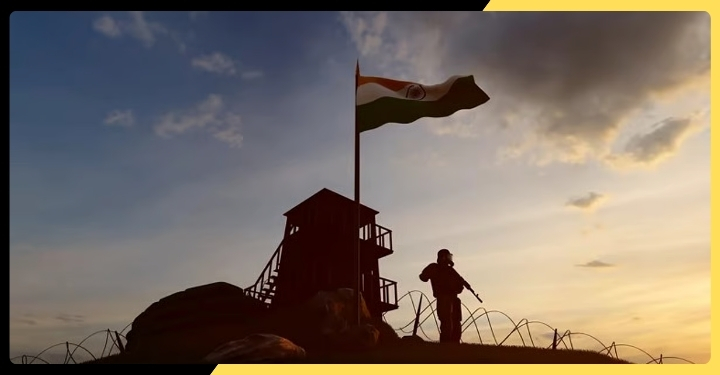
Border management has been reinforced under PRAHAAR. Authorities intend to deploy advanced monitoring systems across sensitive regions to prevent infiltration and cross-border terrorism. Coastal security will be enhanced through integrated radar systems and maritime intelligence cooperation.
Beyond enforcement, the policy includes preventive social initiatives. Counter-radicalization campaigns, community outreach programs, and educational awareness drives are expected to complement security operations. By addressing root causes and preventing ideological recruitment, the government aims to build long-term resilience.
Experts view PRAHAAR as a necessary response to evolving global security challenges. With terror threats becoming more decentralized and technologically sophisticated, a unified and forward-looking strategy is considered essential.
While the policy has received praise for its comprehensive approach, some civil society groups have called for clear oversight mechanisms to protect democratic freedoms. Transparency and accountability, they argue, will be crucial for sustained public trust.
Ultimately, PRAHAAR represents an evolution in India’s security doctrine—one that balances technological innovation, operational readiness, and preventive engagement. Its impact will be measured not only by its ability to thwart attacks but also by its success in building a coordinated and resilient national security ecosystem.
Journalist Details

- Jitendra Kumar is an Indian journalist and social activist from Hathras in Uttar Pradesh is known as the senior journalist and founder of Xpert Times Network Private Limited.
Latest entries
 Latest NewsApril 14, 2026Safety Concerns Rise After Fatal Boiler Blast at Vedanta Power Unit in Chhattisgarh
 Bharat StoriesApril 14, 2026DJ Mudra Kumar Named Among The Best DJ’s Of 2026 In India’s Music Scene
 Latest NewsApril 10, 2026Row Over Voter List Freeze in Bengal Reaches Supreme Court Ahead of Elections
 Bharat StoriesApril 10, 2026DJ SAHAYA Recognized As An Emerging Electronic Artist To Watch in 2026, Shaping Kolkata’s Underground Scene