Delhi Pollution Alert: Road Dust, Vehicle Emissions Under Focus as GRAP-II Is Enforced
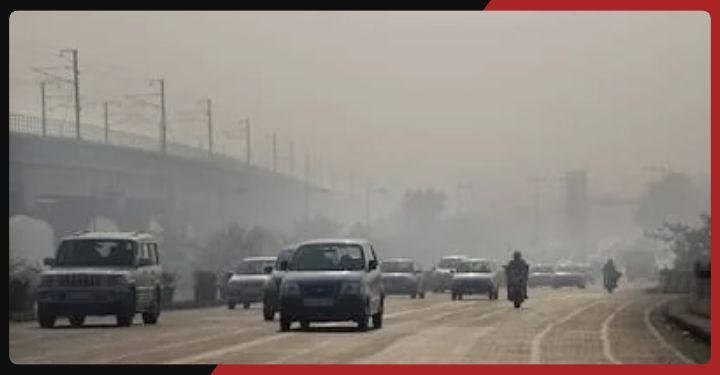
With Delhi’s air quality entering the very poor category, authorities have intensified their efforts to control pollution caused by road dust and vehicular emissions. The Commission for Air Quality Management imposed Stage II restrictions under the Graded Response Action Plan across Delhi-NCR on November 2 after the national capital’s AQI reached 324 at 4 pm.
The decision has placed municipal departments, traffic police and pollution-control agencies under increased pressure to take immediate action.
Road dust and vehicle emissions are among the major sources targeted by the latest measures. Authorities believe that improving road cleanliness, reducing traffic congestion and enforcing emission standards can help prevent further deterioration in air quality.
Mechanical Sweeping and Water Sprinkling
One of the important components of GRAP Stage II is the intensification of mechanical sweeping on roads.
Traditional cleaning methods may leave fine dust particles on road surfaces, which can become airborne when vehicles pass. Mechanical sweeping equipment is intended to collect this material more effectively.
Water sprinkling and dust suppressants will also be used along major roads and pollution hotspots. Anti-smog guns may be deployed at identified locations to help control dust.
However, the effectiveness of these measures depends on regular operations and proper monitoring. Authorities must ensure that water sprinkling and sweeping are not limited to a few prominent roads while residential and industrial areas remain neglected.
Construction Sites Under Increased Monitoring
Construction and demolition activities are another important focus of pollution-control operations.
Dust generated by construction materials, excavation, demolition and transportation can contribute to poor air quality. Under the existing pollution-control framework, construction sites are required to follow environmental safeguards.
These include covering materials, preventing dust from spreading outside project boundaries and ensuring that construction waste is handled appropriately.
GRAP Stage II requires authorities to intensify inspections and take action against sites that violate dust-control requirements.
The government has already introduced additional restrictions on dust-generating demolition and outdoor civil construction activities as part of its winter pollution-control programme.
Traffic Congestion and Vehicle Pollution
Vehicle emissions remain a major concern, particularly during peak commuting hours.
Thousands of vehicles travel through Delhi every day, including private cars, taxis, buses, commercial vehicles and two-wheelers. Congestion at important intersections can increase emissions and worsen local pollution.
Under GRAP Stage II, traffic police have been instructed to manage congestion more effectively.
Authorities will also conduct checks for valid Pollution Under Control certificates. Vehicles producing visible smoke may face enforcement action.
Commuters are being encouraged to use buses, metro services and shared transportation wherever possible.
Public Cooperation Is Essential
Government agencies cannot control pollution without public participation. Residents have been asked to avoid burning household waste, leaves and other materials.
People should also avoid unnecessary private vehicle use and report pollution-related violations through available complaint platforms, including the 311, Green Delhi and SAMEER applications.
Residents can help by ensuring that waste is disposed of properly and by following local environmental regulations.
Will GRAP-II Reduce Pollution?
The effectiveness of GRAP-II will depend on how consistently its measures are implemented. Road cleaning, vehicle inspections and construction-site monitoring can help address important pollution sources.
However, pollution in Delhi-NCR is influenced by several factors, including regional emissions and weather conditions. Therefore, coordination between Delhi and neighbouring states remains essential.
With AQI readings already in the very poor category, authorities face an important challenge: ensuring that immediate action produces measurable improvements rather than becoming another temporary response to the annual winter pollution crisis.
Journalist Details

Latest entries
 Latest NewsNovember 2, 2026Delhi Pollution Alert: Road Dust, Vehicle Emissions Under Focus as GRAP-II Is Enforced
 NewsOctober 22, 2026Saudi Airport Attack Raises Fresh Concerns Over Security of Civilian Infrastructure
 NewsOctober 12, 2026INDIA Bloc Raises Vote Theft Concerns as CJI Directs Attention to Legal Process
 NewsOctober 5, 2026Runoff Looms in Brazil as Bolsonaro’s Lead Narrows During Vote Count