
Saudi Airport Attack Raises Fresh Concerns Over Security of Civilian Infrastructure
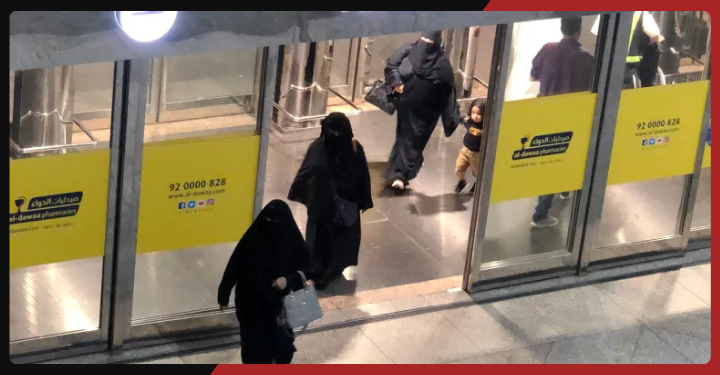
A deadly attack on King Fahd International Airport in Dammam has intensified concerns about the security of civilian infrastructure in Saudi Arabia. The incident on October 21 killed two people, injured eight others and caused material damage at the airport, according to the Kingdom’s aviation authorities.
The attack comes during a period of heightened regional tensions, with Saudi airports and strategic facilities facing reported security threats. It has also renewed questions about how countries can protect essential public infrastructure when regional conflicts expand beyond conventional battlefields.
Airports as Critical Infrastructure
Airports are central to a country’s transport network. They connect cities, support international commerce and allow residents, visitors and expatriate workers to travel across borders.
King Fahd International Airport serves Dammam and the surrounding Eastern Province, an important economic area of Saudi Arabia. Disruption at the airport can affect more than individual passengers, potentially influencing business travel, cargo movements and regional connectivity.
An attack on an airport creates several immediate challenges. Emergency responders must protect people in affected areas, medical teams must treat casualties and airport officials must establish whether facilities remain safe.
Authorities must also coordinate with airlines and air traffic services to manage aircraft movements and reduce risks to passengers.
The deaths and injuries reported in Dammam demonstrate the human consequences of security threats directed at civilian facilities.
Casualties Across Nationalities
Saudi authorities confirmed that a Saudi citizen and an Indian national were killed. Eight people were injured, including residents of Indian, Yemeni, Bangladeshi and Nepali nationalities.
The Indian Embassy in Riyadh confirmed that one Indian national had died and two others were injured. It said officials were contacting the affected families and gathering additional information.
The involvement of people from several nationalities reflects the international character of Saudi Arabia’s workforce and travel network.
For families of the victims, the immediate concerns are obtaining accurate information, arranging support and ensuring that injured relatives receive appropriate medical care.
Official communication is especially important during emergencies, when incomplete or conflicting reports can create additional distress.
The Challenge of Preventing Further Attacks
Protecting airports during periods of conflict requires cooperation among aviation regulators, security services, airport management and emergency responders.
Measures may include monitoring potential threats, securing restricted areas, coordinating emergency plans and reviewing procedures for protecting passengers and employees.
However, security responses must be based on the specific risks identified by authorities. Public information about the Dammam incident has not yet established all the details needed to assess how the attack occurred or whether existing safeguards failed.
It would therefore be premature to draw firm conclusions about the effectiveness of the airport’s security arrangements.
A full assessment should consider the nature of the incident, the damage caused, the response time and any lessons that can be applied to future prevention efforts.
Wider Regional Tensions
The attack occurred amid escalating hostilities involving Saudi Arabia and Yemen’s Iran-aligned Houthi movement. Other attacks on Saudi infrastructure have been reported during the same period.
The wider situation has increased concerns that civilian and economic facilities may be exposed to the consequences of regional conflict.
However, the precise responsibility for the Dammam attack should be distinguished from the broader political and military context. Claims about the perpetrators require reliable confirmation.
Attacks on civilian infrastructure can also have effects beyond the immediate area. Flight diversions, travel uncertainty and concerns about personal safety may influence passengers and businesses that rely on predictable transport services.
Protecting Passengers and Public Confidence
Saudi aviation authorities confirmed that airport operations resumed and air traffic returned to normal after the incident.
The return to service is important, but restoring confidence also depends on transparent communication, thorough inspections and appropriate security measures.
Passengers need reliable updates about airport conditions, while airlines must be able to make decisions based on accurate information.
The deaths in Dammam underline the importance of keeping civilians out of the path of armed conflict and protecting facilities used for essential public services.
As authorities continue their assessment, further information may clarify the attack’s circumstances and the steps being taken to prevent similar incidents.
Journalist Details

Latest entries
 NewsOctober 22, 2026Saudi Airport Attack Raises Fresh Concerns Over Security of Civilian Infrastructure
 NewsOctober 12, 2026INDIA Bloc Raises Vote Theft Concerns as CJI Directs Attention to Legal Process
 NewsOctober 5, 2026Runoff Looms in Brazil as Bolsonaro’s Lead Narrows During Vote Count
 Latest NewsOctober 1, 2026Tennessee Halts Executions After Christa Pike Survives Death Sentence Attempt