Why Abhijeet Dipke Is Willing to Risk Arrest in CJP’s Fight Over Electoral Reforms
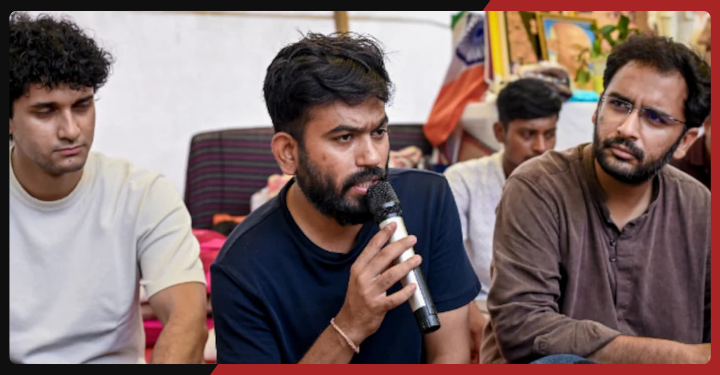
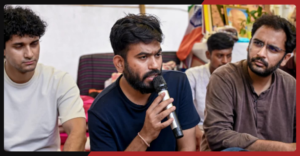
New Delhi, October 16, 2026: Abhijeet Dipke’s declaration that he is ready to go to jail has become a defining message in the Cockroach Janta Party’s latest protest campaign. By refusing to rule out detention, the CJP founder is attempting to keep public attention focused on electoral reforms, alleged voter exclusions and the organisation’s demand for Chief Election Commissioner Gyanesh Kumar’s resignation.
Dipke’s statement came ahead of planned demonstrations in Delhi and Mumbai under the banner “Lehra Do Tiranga.” The proposed events are intended to express solidarity with detained CJP leaders Ashutosh Ranka and Saurav Das and to renew pressure on the Election Commission over the Special Intensive Revision of electoral rolls.
For Dipke, the central issue is not simply whether a protest can take place at a particular location. His wider argument is that citizens should be able to question institutions responsible for conducting elections and demand explanations when they believe their voting rights may be affected.
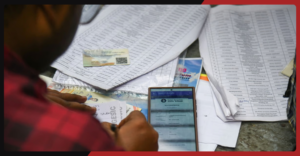
The Special Intensive Revision has become a major point of political disagreement. Critics have raised concerns about the scale of voter-list deletions and whether eligible voters could be excluded. The Election Commission has defended the process, saying electoral rolls need to be checked for duplicate, deceased and otherwise ineligible entries.
These competing positions make transparency particularly important. Electoral-roll revision is a technical administrative exercise, but its consequences can be significant for individuals. A person whose name is missing from a voter list may face difficulties participating in an election unless the issue is identified and corrected in time.
Dipke and the CJP are demanding that the Election Commission address their concerns and that Gyanesh Kumar resign. Their campaign also reflects a broader question about the relationship between political protest and institutional accountability.
The CJP’s decision to organise a flag-waving demonstration gives the campaign a recognisable symbolic focus. The national flag is intended to communicate a message about citizenship and democratic participation. Dipke has said the action would be peaceful and that the possibility of arrest would not discourage him.
Yet peaceful intent does not automatically settle the legal question surrounding a public assembly. Authorities have cited prohibitory orders in central Delhi and the absence of permission for a large gathering at Central Park. Police have stated that displaying the national flag is not itself unlawful, while an organised march or assembly must comply with applicable restrictions.
The Delhi High Court declined to restrain the proposed gathering and recorded the police’s assurance that it would regulate the event. Police indicated that a limited group of 11 participants could be permitted to carry the flag and sing the national anthem at a suitable location. The arrangement leaves the organisers with less room for a large mobilisation than they originally sought.
Mumbai’s proposed protest at Azad Maidan reportedly received permission, creating a different setting for the campaign. This difference also illustrates that the ability to assemble depends on the specific location and the applicable permissions.
Dipke’s willingness to face arrest has political significance because it presents the campaign as a matter of principle rather than convenience. However, the effectiveness of that approach will ultimately depend on whether the organisation can translate public attention into verifiable answers about electoral rolls and meaningful action on its demands.
A credible debate requires more than slogans. It requires accessible voter records, transparent correction procedures, fair treatment of complaints and clear explanations from the relevant authorities. These measures can help distinguish legitimate administrative corrections from genuine errors that might deprive eligible citizens of participation.
The CJP’s campaign has brought these issues into the spotlight. Whether it achieves its immediate demand for Gyanesh Kumar’s resignation remains uncertain, but the controversy demonstrates the continuing importance of electoral trust and the right to peaceful political expression.
Journalist Details

- Jitendra Kumar is an Indian journalist and social activist from Hathras in Uttar Pradesh is known as the senior journalist and founder of Xpert Times Network Private Limited.
Latest entries
 Bharat StoriesOctober 16, 2026Gurdeep Singh Live Named Among The Best Live Musical Artist Of 2026 For His Remarkable Journey And Musical Legacy Across India
 Latest NewsOctober 16, 2026Why Abhijeet Dipke Is Willing to Risk Arrest in CJP’s Fight Over Electoral Reforms
 Bharat StoriesOctober 14, 2026Aryan Minocha From Delhi Named Best Anchor Of The Year 2026 For His Remarkable Journey Across Celebrity Events And Luxury Celebration
 NewsOctober 14, 2026More Than 33 Lakh Voters Flagged as Delhi’s Electoral Revision Faces Questions