More Than 33 Lakh Voters Flagged as Delhi’s Electoral Revision Faces Questions
More Than 33 Lakh Voters Flagged as Delhi’s Electoral Revision Faces Questions
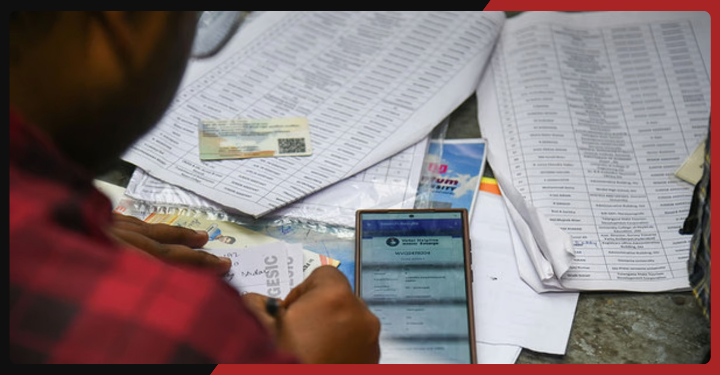
NEW DELHI: Delhi’s Special Intensive Revision of electoral rolls has come under renewed scrutiny after a data analysis highlighted disparities in the identification of voters for additional verification. The exercise, which aims to improve the accuracy of electoral records, has raised questions about how discrepancies are identified, how notices are issued and whether eligible voters can resolve their cases without unnecessary difficulties.
Delhi’s draft electoral roll contained approximately 97.54 lakh electors. According to the published analysis, around 33.12 lakh voters were flagged for notices under different categories. These included approximately 13.79 lakh electors whose records were not mapped to the previous intensive revision and around 19.33 lakh identified for logical discrepancies.
The figures illustrate the scale of the administrative challenge. Examining millions of records requires reliable databases, effective coordination between election officials and clear procedures for resolving cases that cannot be confirmed immediately.
However, the analysis also identified a demographic disparity. Muslims accounted for approximately 13.6% of electors on the draft roll but represented 20.3% of those flagged for logical discrepancies. Their share was approximately 30% among voters flagged under five family-size-related criteria.
These findings have prompted questions about whether particular verification rules are generating disproportionate scrutiny of Muslim voters. They do not establish that all flagged cases are incorrect, that every notice threatens a voter’s eligibility or that deliberate discrimination has occurred.
Understanding the process requires distinguishing between different types of cases. An elector whose information cannot be matched to an earlier record may face a different issue from someone whose entry contains a discrepancy involving age or family relationships. Each case requires an explanation appropriate to the specific problem.
The scale of the revision also makes timely communication important. When millions of people are involved, even a small administrative error rate can affect a substantial number of households. Notices must therefore clearly identify the issue, explain what action is required and provide enough time for voters to respond.
A fair process should also account for circumstances that make documentation difficult to obtain. Citizens may have older records containing spelling variations, incomplete family information or inconsistencies between different official databases. Such problems should be examined carefully instead of automatically being treated as evidence of ineligibility.
The reported demographic disparity adds another layer of responsibility for the Election Commission of India. Authorities should be able to explain the criteria behind automated flags and demonstrate that the resulting decisions are subject to meaningful human review.
One useful measure would be to publish anonymised information showing how many notices were resolved, how many voters were confirmed as eligible, how many records required correction and how many cases resulted in changes to electoral status. Where legally and technically appropriate, these figures could be broken down by discrepancy category and demographic group to help researchers assess the process.
Another important safeguard is an accessible appeals mechanism. Voters who disagree with a notice or decision should be able to understand their options, obtain assistance and have their cases reviewed within a reasonable period.
Election officials also need sufficient resources to manage the workload. Adequate staffing, reliable digital systems, local assistance and clear instructions can help prevent administrative delays from becoming barriers to participation.
The revision’s success should not be measured only by the number of records examined or discrepancies identified. It should also be assessed by the accuracy of the final electoral roll, the fairness of individual decisions and the ability of eligible citizens to exercise their rights.
The latest findings have created an opportunity for election authorities to address concerns before they undermine confidence in the process. A detailed public explanation of the flagged categories and the outcomes of verification would help distinguish legitimate corrections from problems requiring further investigation.
Delhi’s experience demonstrates the complexity of maintaining accurate voter lists in a large and diverse electorate. The objective must remain clear: improve electoral accuracy while ensuring that administrative scrutiny does not unnecessarily disadvantage eligible citizens.
Journalist Details

- Jitendra Kumar is an Indian journalist and social activist from Hathras in Uttar Pradesh is known as the senior journalist and founder of Xpert Times Network Private Limited.
Latest entries
 Bharat StoriesOctober 14, 2026Aryan Minocha From Delhi Named Best Anchor Of The Year 2026 For His Remarkable Journey Across Celebrity Events And Luxury Celebration
 NewsOctober 14, 2026More Than 33 Lakh Voters Flagged as Delhi’s Electoral Revision Faces Questions
 Crime NewsOctober 13, 2026Bengaluru-Based IT Professional Dies in Fall at Nanakramguda Apartment
 Bharat StoriesOctober 12, 2026Jack Forest Named Among The Best Techno And House Music DJ Of 2026 After Making A Bold Shift From Corporate Life To Electronic Music