INDIA Bloc Raises Vote Theft Concerns as CJI Directs Attention to Legal Process
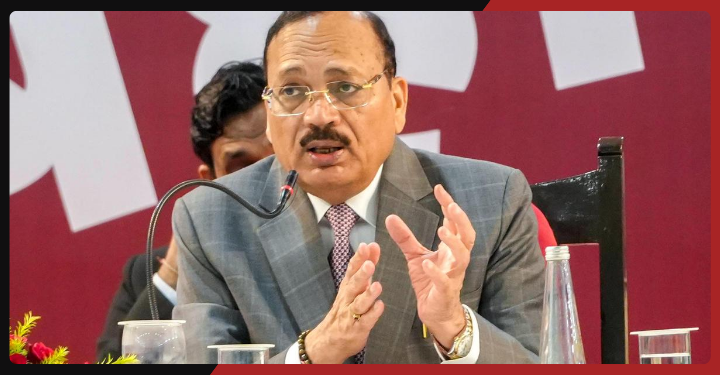
The INDIA bloc’s campaign over alleged electoral irregularities has entered a new phase after Chief Justice of India Surya Kant declined to meet opposition leaders Rahul Gandhi and Mallikarjun Kharge on October 12. The leaders had sought an opportunity to submit a memorandum outlining their concerns about electoral administration and democratic rights.
Opposition parties have repeatedly raised allegations of vote theft, arguing that electoral processes must be transparent and that every eligible citizen must be able to participate in elections. The allegations have become a central part of their political campaign, with demands for changes to voter-list procedures and greater accountability from election authorities.
One of the major issues is the Special Intensive Revision of electoral rolls, commonly known as SIR. The exercise concerns the verification and updating of voter lists. Such revisions can be important for maintaining accurate electoral records, but they can also generate concerns if eligible voters are incorrectly excluded or find it difficult to establish their eligibility.
The opposition has called for the exercise to be halted and has demanded the resignation of Chief Election Commissioner Gyanesh Kumar. It has also advocated a return to paper ballots instead of electronic voting machines. These demands form part of a wider political argument over electoral transparency and public confidence in the election process.
The Chief Justice’s reported refusal to meet the leaders was linked to the appropriate handling of issues already under consideration by the Supreme Court. The development underscores a basic distinction: political leaders can bring public attention to alleged wrongdoing, but a court must assess legal claims through established judicial procedures.
A formal legal challenge generally requires a clear statement of the disputed action, the legal grounds for challenging it, and supporting material. Depending on the issue, the court may examine statutory provisions, official records, evidence of harm, and responses from the authorities concerned.
The refusal to hold an informal meeting does not settle whether the opposition’s allegations have merit. Nor does it establish that the Election Commission has acted unlawfully. Those conclusions would require an examination of the relevant facts and applicable law.
Electoral integrity is important because democratic legitimacy depends on citizens having confidence that elections are conducted fairly. Accurate voter lists, accessible correction mechanisms, transparent procedures, and effective remedies for errors all contribute to that confidence.
The Election Commission and other relevant authorities have responsibilities under the legal framework governing elections. Opposition parties, civil society organisations, and individual citizens can raise concerns, but allegations should be distinguished from established findings.
The dispute also demonstrates how electoral administration can become a subject of intense political debate. When parties disagree over voter lists or voting technology, the argument can extend beyond technical procedures to questions about representation, trust, and democratic accountability.
For the INDIA bloc, continuing the campaign may involve public demonstrations, parliamentary debate, and legal action. For the judiciary, the central responsibility is to consider cases that are properly brought before it and decide them independently.
The significance of the October 12 development therefore lies not in a final decision on vote-theft allegations, but in the route available for pursuing them. The next stage will depend on whether the opposition submits formal legal challenges and what evidence is placed before the court.
Journalist Details

Latest entries
 NewsOctober 12, 2026INDIA Bloc Raises Vote Theft Concerns as CJI Directs Attention to Legal Process
 NewsOctober 5, 2026Runoff Looms in Brazil as Bolsonaro’s Lead Narrows During Vote Count
 Latest NewsOctober 1, 2026Tennessee Halts Executions After Christa Pike Survives Death Sentence Attempt
 Latest NewsSeptember 26, 2026Gyanesh Kumar Row Expands as Political Parties Seek Greater Transparency From Poll Body