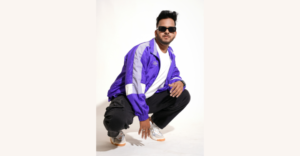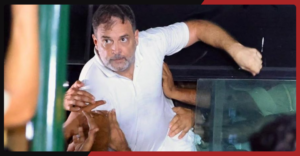
Dhruv Rathee’s Reported Detention Sparks Questions About Protest Rights and Police Action in Delhi
New Delhi, October 10, 2026: The reported detention of YouTuber Dhruv Rathee ahead of a demonstration against Chief Election Commissioner Gyanesh Kumar has intensified attention on the relationship between public protest, police powers and freedom of expression in India.
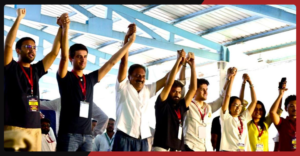
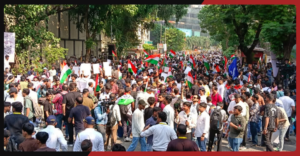
Rathee was reportedly detained from his Gurugram residence before a planned gathering organised by the Cockroach Janta Party (CJP) and associated groups at Jantar Mantar in Delhi. The demonstration focused on concerns about electoral-roll revision and demands for the Election Commission to address allegations of irregularities.
While reports confirmed that Rathee had been detained, the complete legal grounds for the action and whether any formal charges were filed were not immediately established in the available coverage.
A High-Profile Detention
The involvement of a prominent digital commentator brought additional attention to a protest that was already generating political debate. Online creators can reach large audiences quickly, allowing developments involving public figures to become widely discussed.
However, a person’s public profile does not itself establish whether a detention was justified or unjustified. Such an assessment depends on the applicable law, the circumstances of the incident and the reasons recorded by the authorities.
The key questions include whether a lawful basis existed for the detention, whether the required procedures were followed and whether the individual was informed of the grounds for the action in accordance with applicable law.
Why Was the Demonstration Organised?
The CJP-led gathering was planned amid growing controversy surrounding the Special Intensive Revision of electoral rolls. Activists and opposition groups have raised concerns about possible voter deletions and called for stronger safeguards to protect eligible citizens.
They have also demanded the resignation of CEC Gyanesh Kumar, arguing that the Election Commission must answer questions about the revision process.
These are political demands rather than established findings of misconduct. Any assessment of the allegations requires supporting evidence, official records and an opportunity for the relevant institution to respond.
The Legal Framework for Protests
Peaceful assembly and freedom of expression are important democratic rights in India. At the same time, authorities may impose lawful restrictions in certain circumstances to protect public order and safety.
The existence of a restriction does not automatically settle every question about an individual detention. The legality of police action depends on the precise facts, the applicable orders and whether the action complies with legal safeguards.
Public discussion should therefore avoid assuming either that every detention is unlawful or that every police action is automatically justified.
Concerns About Restrictions in Central Delhi
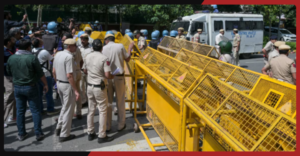
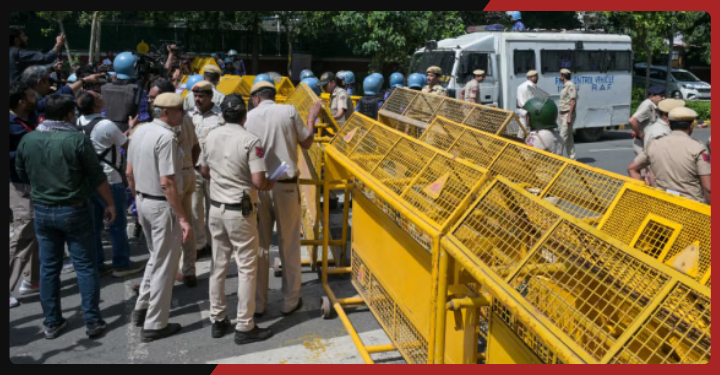
Authorities increased security ahead of the planned protest, with reports of barricades, personnel deployments and restrictions affecting public transport.
Such arrangements can prevent dangerous crowding and reduce the risk of confrontations. However, extensive restrictions can also make it difficult for peaceful demonstrators to reach a designated protest area.
A clear explanation of the applicable orders, the boundaries of restricted areas and the available procedures for holding a lawful demonstration can help reduce uncertainty.
Why Transparency Matters
When a detention attracts public attention, timely official information is particularly important. Details about the legal grounds, the person’s custody status and any formal proceedings can help prevent speculation.
The same principle applies to the wider electoral controversy. The Election Commission can help address concerns by explaining revision procedures, publishing relevant data and ensuring that voters can challenge incorrect entries.
What Comes Next?
The reported detention of Rathee has become part of a wider discussion about protest rights and the handling of politically sensitive demonstrations.
The immediate priorities are to establish the facts surrounding the detention, clarify the status of other protesters and determine which restrictions remain in force. Any allegations of unlawful conduct should be assessed using evidence rather than assumptions.
Ultimately, democratic confidence depends on both public institutions and citizens being able to operate within a clear legal framework. Transparent police procedures, accessible electoral remedies and a commitment to peaceful expression can help prevent political disagreements from deepening into institutional mistrust.
Journalist Details

- Jitendra Kumar is an Indian journalist and social activist from Hathras in Uttar Pradesh is known as the senior journalist and founder of Xpert Times Network Private Limited.
Latest entries
 Latest NewsOctober 10, 2026Dhruv Rathee’s Reported Detention Sparks Questions About Protest Rights and Police Action in Delhi
 Latest NewsOctober 8, 2026SIR Row Spreads From Delhi to Bengaluru as Activists Demand Greater Electoral Transparency
 NewsOctober 7, 2026Rahul Gandhi Leads Opposition Showdown With Election Commission Over Voter Rolls
 NewsOctober 6, 2026Harmanpreet Kaur’s Captaincy Journey Ends After Years of Highs, Pressure and Historic Achievements