Safety Concerns Emerge After Deadly Gas Leak at Tiruvallur Seafood Unit
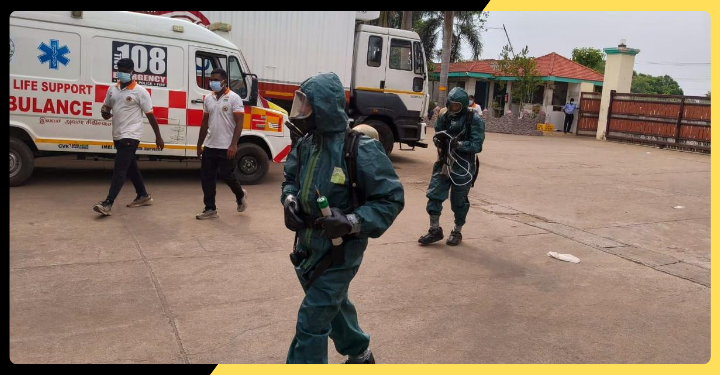
The deaths of seven women workers in a suspected gas leak at a seafood processing unit in Tiruvallur, Tamil Nadu, have sparked widespread concern about industrial safety standards and worker protection measures. The tragic incident has not only left families grieving but has also reignited a broader debate about the adequacy of safety protocols in factories that handle potentially hazardous substances.
The accident occurred during routine operations at the seafood processing facility, where workers were engaged in their daily tasks. According to preliminary reports, employees suddenly noticed a strong odor spreading through part of the factory. Within a short time, several workers complained of breathing difficulties, dizziness, and discomfort. As the situation worsened, multiple employees collapsed, creating panic across the workplace.
Emergency services were immediately alerted, and rescue teams rushed to the site. The affected workers were transported to nearby hospitals for treatment. Despite medical efforts, seven women lost their lives, while several others required hospitalization. The incident sent shockwaves through the local community and drew attention from government officials, labor organizations, and industrial safety experts.
Authorities have launched a comprehensive investigation to determine the exact cause of the leak. Officials are examining factory equipment, chemical storage areas, ventilation systems, and maintenance records. Investigators are also interviewing employees and management personnel to understand whether safety protocols were being followed at the time of the accident.
One of the key questions emerging from the tragedy is whether adequate safeguards were in place to protect workers from exposure to hazardous gases. Industrial experts note that facilities handling chemicals or refrigeration systems should be equipped with gas detection devices, alarm systems, emergency evacuation plans, and proper ventilation mechanisms. If any of these safeguards fail, workers can face life-threatening risks within minutes.
The incident has renewed concerns about workplace conditions in labor-intensive industries. Seafood processing units employ thousands of workers across coastal and industrial regions, many of whom are women. While these jobs provide important economic opportunities, labor rights groups argue that employers must ensure that employees are not exposed to preventable dangers while earning their livelihoods.
Family members of the victims have demanded answers regarding the circumstances that led to the accident. Many of the deceased women were primary income earners supporting children, elderly parents, and other dependents. Their sudden deaths have left families facing emotional trauma as well as financial uncertainty. Relatives have called for accountability and urged authorities to take strict action if negligence is found.
Government officials have expressed condolences to the affected families and announced compensation packages for the victims. State authorities have also assured the public that the investigation will be conducted transparently and that any violations of industrial safety regulations will be addressed through appropriate legal action.
Labor unions have responded strongly to the incident, describing it as a reminder of the importance of workplace safety. Union leaders have called for regular factory inspections, mandatory emergency drills, and stronger enforcement of labor laws. They argue that accidents involving toxic substances are often preventable when proper safety systems are maintained and employees receive adequate training.
Industrial safety specialists emphasize that prevention is the most effective strategy for avoiding such disasters. Routine maintenance of machinery, monitoring of air quality, proper chemical handling procedures, and employee awareness programs can significantly reduce the risk of accidents. Experts also recommend periodic third-party safety audits to identify vulnerabilities before they lead to emergencies.
Medical professionals treating survivors have highlighted the potential long-term effects of toxic gas exposure. Depending on the chemical involved, workers may experience respiratory complications, lung damage, neurological symptoms, or other health issues. Continuous medical monitoring may therefore be necessary for some of the survivors even after they are discharged from hospitals.
The tragedy has also prompted calls for a wider review of industrial safety practices across Tamil Nadu. Policymakers and worker advocacy groups believe that lessons from the Tiruvallur incident should be used to strengthen regulations and improve enforcement mechanisms. Some experts have suggested introducing more advanced monitoring technologies capable of detecting hazardous leaks before they become life-threatening.
Public concern has grown as details of the incident continue to emerge. Community members and social organizations have urged both government agencies and private companies to treat worker safety as a top priority. They argue that economic development and industrial growth should not come at the cost of human lives.
As investigators continue their work, attention remains focused on the factory’s operational procedures and compliance history. The findings of the inquiry are expected to provide crucial insights into what went wrong and how similar incidents can be prevented in the future.
The Tiruvallur seafood unit gas leak has become a symbol of the challenges facing industrial safety in modern workplaces. Seven women lost their lives while performing routine duties, leaving behind grieving families and unanswered questions. Their deaths serve as a stark reminder that safety measures must never be overlooked, regardless of production demands or economic pressures.
Ultimately, the tragedy underscores the need for a culture of safety that places worker welfare at the center of industrial operations. By learning from this incident and implementing meaningful reforms, authorities and industries can help ensure that such devastating losses do not occur again.
Journalist Details

- Jitendra Kumar is an Indian journalist and social activist from Hathras in Uttar Pradesh is known as the senior journalist and founder of Xpert Times Network Private Limited.
Latest entries
 Latest NewsSeptember 28, 2026Delhi Orders 50% Work From Home as Government Targets Winter Air Pollution
 Latest NewsSeptember 27, 2026Rape Allegation Triggers Student Anger at LPU as Police Move In to Restore Order
 NewsSeptember 25, 2026Taiwan Remains One of the Most Sensitive Issues Between Washington and Beijing
 Latest NewsSeptember 24, 2026Fire Engulfs Delhi-Mahoba Sleeper Bus on Yamuna Expressway, Nine Dead