Keir Starmer Bows Out After Mounting Pressure From Labour MPs
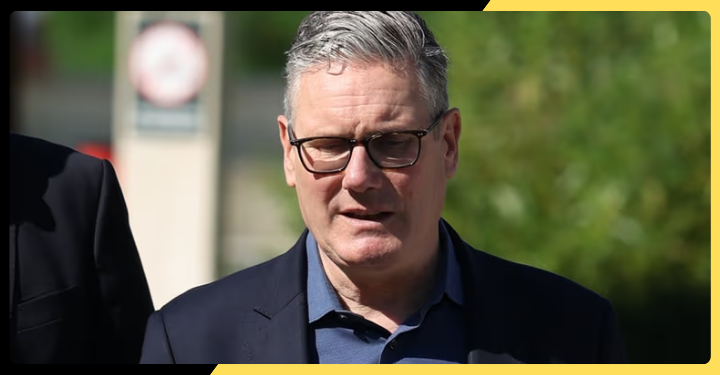
Prime Minister Keir Starmer has resigned following sustained pressure from Labour MPs, bringing a dramatic conclusion to a leadership struggle that had increasingly dominated political discussion in the United Kingdom. The decision follows months of speculation regarding internal dissatisfaction and concerns about the government’s strategic direction.
Starmer’s rise to the top of British politics was built on promises of competence, stability, and national renewal. Under his leadership, Labour worked to reposition itself as a credible governing force capable of addressing major economic and social challenges. However, governing often presents difficulties that differ significantly from campaigning, and those challenges appear to have contributed to growing tensions within the party.
Several Labour MPs reportedly became frustrated with what they viewed as an unclear policy direction. While some lawmakers pushed for more ambitious reforms, others favored a cautious approach focused on maintaining economic stability. These disagreements gradually evolved into broader questions about leadership and the future of the government.
As criticism mounted, calls for change became increasingly difficult to ignore. Senior figures within Labour are believed to have held discussions about the party’s future, with some concluding that a new leader might be better positioned to unite competing factions and restore confidence among voters.
Starmer’s resignation statement emphasized that his decision was motivated by a desire to protect the party and the government from further division. He expressed gratitude to colleagues and supporters while acknowledging the challenges that had emerged during his time in office.
Political analysts suggest that the resignation reflects the unique pressures faced by modern political leaders. Public expectations remain high, while governments must simultaneously address economic concerns, international developments, and domestic policy demands. Balancing these responsibilities often creates tensions that can test even the strongest leadership teams.
The immediate focus now shifts to the Labour leadership contest. Potential candidates are expected to outline their visions for the country’s future, offering competing ideas on issues such as economic growth, public services, taxation, and social policy. The race is likely to attract significant attention from party members and the wider public.
Labour faces a delicate balancing act during this transition. Party leaders will want to demonstrate unity and stability while allowing candidates to present distinct policy platforms. The outcome of the contest could influence government priorities for years to come.
Opposition parties have responded by questioning Labour’s ability to maintain effective leadership. They argue that the resignation highlights weaknesses within the governing party. Labour supporters counter that leadership changes can strengthen political organizations by introducing new ideas and renewed energy.
The broader implications for British politics remain uncertain. A new Labour leader could continue many of Starmer’s policies while introducing changes designed to address internal concerns. Alternatively, the party could choose a candidate who represents a significant shift in direction.
Public reaction has been mixed. Some voters view the resignation as evidence of political instability, while others see it as an opportunity for Labour to reset its agenda and reconnect with the electorate. Much will depend on how smoothly the leadership transition unfolds.
International allies and investors are also monitoring events closely. Stable political leadership is often viewed as essential for maintaining confidence in government decision-making and economic management.
Ultimately, Keir Starmer’s departure represents more than a personal political decision. It marks a pivotal moment for Labour and for Britain. The coming weeks will reveal whether the party can transform internal challenges into a platform for future success and whether a new leader can unite Labour behind a common vision for the country.
Journalist Details

- Jitendra Kumar is an Indian journalist and social activist from Hathras in Uttar Pradesh is known as the senior journalist and founder of Xpert Times Network Private Limited.
Latest entries
 NewsSeptember 29, 2026Trump Unveils Essar-Backed Iowa Steel Project With 10 Million Ton Annual Capacity
 Latest NewsSeptember 28, 2026Delhi Orders 50% Work From Home as Government Targets Winter Air Pollution
 Latest NewsSeptember 27, 2026Rape Allegation Triggers Student Anger at LPU as Police Move In to Restore Order
 NewsSeptember 25, 2026Taiwan Remains One of the Most Sensitive Issues Between Washington and Beijing