Delayed Monsoon Tests India’s Agricultural Economy and Food Security
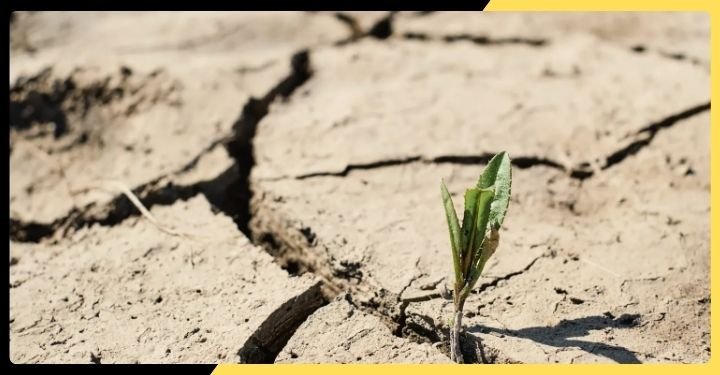
India’s agricultural sector is under increasing pressure after the country experienced its driest June in more than ten years, raising fresh concerns about the progress of the southwest monsoon and its impact on farming. The delayed and below-average rainfall has slowed the sowing of key kharif crops, creating uncertainty for millions of farmers who rely on seasonal rains to sustain their livelihoods. As the monsoon season enters its critical phase, policymakers, agricultural experts, and rural communities are closely watching weather developments that could determine the success of this year’s harvest.
The southwest monsoon plays a central role in India’s agricultural economy, contributing nearly three-quarters of the country’s annual rainfall. Every year, farmers prepare their land in anticipation of the first monsoon showers, which provide the moisture needed for planting crops such as rice, cotton, soybean, maize, pulses, groundnut, and sugarcane. A delay in these rains can disrupt farming schedules and reduce crop productivity, particularly in regions that depend heavily on rain-fed agriculture.
This year’s unusually dry June has already delayed sowing operations in many parts of the country. Farmers who had completed land preparation and purchased agricultural inputs are waiting for adequate rainfall before planting. The uncertainty has increased production risks, especially for small and marginal farmers who often have limited financial resources to cope with prolonged weather disruptions.
Agricultural scientists explain that timely planting is essential for maximizing crop yields. Delayed sowing can shorten the growing season, affecting plant development and increasing exposure to adverse weather conditions later in the year. Some farmers may choose to shift toward shorter-duration or drought-tolerant crop varieties if rainfall remains inadequate, but such adjustments may not fully compensate for potential yield losses.
The rainfall deficit has also highlighted India’s continued dependence on the monsoon despite decades of investment in irrigation infrastructure. Although irrigation systems have expanded in many states, a significant share of agricultural land still relies primarily on rainfall. In several drought-prone regions, reservoirs and groundwater sources have not received sufficient recharge during the early monsoon period, raising concerns about water availability for irrigation later in the season.
Beyond farming, the effects of a weak monsoon can spread throughout the broader economy. Agriculture supports millions of rural households through direct farming activities as well as employment in transportation, food processing, storage, and agricultural services. Reduced agricultural output can weaken rural purchasing power, affecting demand for consumer goods and slowing economic activity in many districts.
Food security is another major concern. Lower production of staple crops such as rice and pulses can tighten domestic supplies and place upward pressure on food prices. Inflation in food commodities affects consumers across both urban and rural areas, particularly lower-income households that spend a large portion of their income on essential food items. Managing food inflation becomes increasingly challenging when weather conditions reduce agricultural output.
Government agencies have intensified efforts to monitor rainfall distribution and crop sowing progress. Agricultural departments are issuing advisories encouraging farmers to adopt climate-resilient farming practices, including moisture conservation, efficient irrigation methods, and the use of drought-resistant seed varieties. Contingency crop planning has also been activated in several states to help farmers respond quickly if rainfall patterns continue to fluctuate.
Experts believe that improving water management will be crucial for strengthening India’s long-term agricultural resilience. Expanding micro-irrigation systems, promoting rainwater harvesting, improving watershed development, and encouraging sustainable groundwater use could help reduce dependence on unpredictable monsoon rainfall. Investments in agricultural research are also expected to play an important role in developing crop varieties capable of withstanding increasingly variable climate conditions.
Climate researchers note that extreme weather events are becoming more frequent as global temperatures rise. Longer dry spells, sudden heavy rainfall, heatwaves, and changing seasonal patterns are making traditional farming practices more difficult to manage. These challenges highlight the importance of modern weather forecasting, digital advisory services, and climate-smart agriculture in helping farmers make informed decisions.
Despite the disappointing start to the season, meteorologists remain cautiously optimistic that rainfall could improve during July and August. A stronger monsoon in the coming weeks would allow many farmers to complete sowing and support crop development during critical growth stages. However, the timing and distribution of rainfall will be just as important as the total seasonal rainfall.
For now, India’s agricultural economy remains closely tied to the progress of the monsoon. The coming weeks will determine whether farmers can recover from the slow start or face a more difficult growing season. The outcome will influence not only agricultural production but also rural employment, food prices, and the country’s overall economic outlook, making the performance of the monsoon one of the most closely watched developments of the year.
Journalist Details

- Jitendra Kumar is an Indian journalist and social activist from Hathras in Uttar Pradesh is known as the senior journalist and founder of Xpert Times Network Private Limited.
Latest entries
 NewsSeptember 30, 2026Panic on Dubai-Tel Aviv Flight as Pilots Clash and Aircraft Diverts to Saudi Arabia
 NewsSeptember 29, 2026Trump Unveils Essar-Backed Iowa Steel Project With 10 Million Ton Annual Capacity
 Latest NewsSeptember 28, 2026Delhi Orders 50% Work From Home as Government Targets Winter Air Pollution
 Latest NewsSeptember 27, 2026Rape Allegation Triggers Student Anger at LPU as Police Move In to Restore Order