Haldia Petrochemicals Fire Raises Fresh Questions Over Industrial Safety
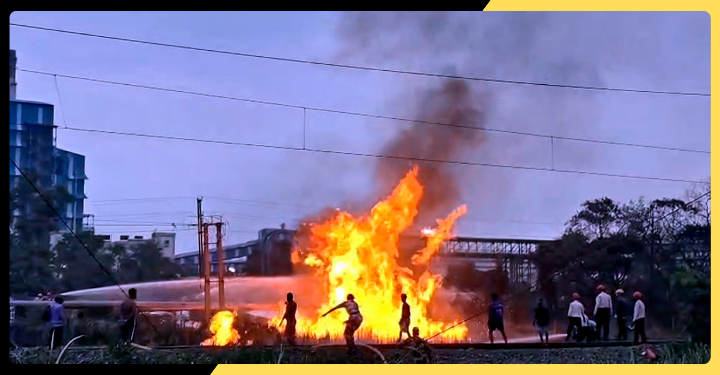
A fire that erupted in a naphtha pipeline at the Haldia Petrochemicals Limited (HPL) facility in West Bengal has reignited concerns over industrial safety standards after at least 20 workers were injured in the incident. While emergency teams managed to contain the blaze before it escalated into a larger disaster, the accident has prompted renewed discussions about maintenance practices, emergency preparedness, and worker safety in high-risk industrial environments.
The incident occurred during routine operations when flames suddenly broke out from a section of the naphtha pipeline inside the petrochemical complex. Thick black smoke quickly spread across the facility, prompting plant authorities to activate emergency response protocols. Workers in the affected area were immediately evacuated as firefighting teams rushed to control the flames.
Multiple fire engines from the state fire services joined the plant’s emergency response unit in battling the blaze. Firefighters focused on isolating the affected pipeline, cooling nearby installations, and preventing the fire from spreading to adjacent processing units where highly flammable materials are handled. Their swift response helped bring the situation under control before the incident could develop into a more serious industrial emergency.
Officials confirmed that 20 workers sustained injuries during the fire. The injured were provided immediate medical attention before being shifted to nearby hospitals for further treatment. Most suffered burns, smoke inhalation, or minor injuries while evacuating the area. Medical authorities reported that the injured workers were receiving appropriate care, with several remaining under observation.
Although no fatalities were reported, the incident has once again highlighted the risks associated with handling hazardous petroleum products such as naphtha. As a highly volatile hydrocarbon, naphtha requires strict operational controls, continuous monitoring, and specialized safety systems to reduce the risk of leaks, ignition, and fire.
Following the accident, Haldia Petrochemicals temporarily suspended operations in the affected section of the plant while technical teams began inspecting damaged equipment. Engineers are assessing the integrity of the pipeline, associated valves, pressure systems, and nearby infrastructure to determine the extent of the damage before normal operations resume.
Authorities have launched a detailed investigation to determine what triggered the fire. Investigators are examining multiple possibilities, including equipment malfunction, pipeline leakage, corrosion, pressure fluctuations, operational error, or maintenance deficiencies. Officials have emphasized that no conclusions will be drawn until the investigation is completed and all technical evidence has been thoroughly analyzed.
Industrial safety experts say that petrochemical complexes operate under demanding conditions where even a minor technical issue can rapidly develop into a major emergency. They stress that preventive maintenance, real-time monitoring systems, regular safety audits, and employee training are essential components of safe industrial operations.
Modern petrochemical facilities are equipped with advanced technologies such as automatic leak detection systems, emergency shutdown mechanisms, fire suppression equipment, gas monitoring sensors, and computerized control systems. However, experts note that technology alone cannot eliminate risks without regular inspection, proper maintenance, and strict adherence to operational procedures.
The incident has also drawn attention to the importance of emergency preparedness. Industry specialists point out that effective evacuation drills, coordinated firefighting strategies, and rapid medical response significantly reduce the impact of industrial accidents. In this case, the prompt activation of emergency protocols and coordinated efforts by plant personnel and public emergency services helped prevent a more severe outcome.
Local authorities continued monitoring the area following the fire to ensure public safety. Environmental agencies assessed air quality due to the smoke released during the incident, while police secured the affected zone to facilitate investigation and repair work. Officials advised residents that there was no immediate danger outside the plant premises but urged people to avoid the area until all safety inspections were completed.
The Haldia Petrochemicals incident serves as another reminder of the importance of maintaining the highest industrial safety standards in facilities handling hazardous chemicals. As investigations continue, the findings are expected to contribute to stronger safety recommendations, improved maintenance practices, and enhanced emergency response planning across the petrochemical sector.
For industries operating with flammable materials, continuous investment in infrastructure, employee training, and modern safety technologies remains essential. The lessons learned from this incident may help strengthen operational safety and reduce the likelihood of similar accidents in the future, protecting both workers and surrounding communities.
Journalist Details

- Jitendra Kumar is an Indian journalist and social activist from Hathras in Uttar Pradesh is known as the senior journalist and founder of Xpert Times Network Private Limited.
Latest entries
 NewsSeptember 30, 2026Panic on Dubai-Tel Aviv Flight as Pilots Clash and Aircraft Diverts to Saudi Arabia
 NewsSeptember 29, 2026Trump Unveils Essar-Backed Iowa Steel Project With 10 Million Ton Annual Capacity
 Latest NewsSeptember 28, 2026Delhi Orders 50% Work From Home as Government Targets Winter Air Pollution
 Latest NewsSeptember 27, 2026Rape Allegation Triggers Student Anger at LPU as Police Move In to Restore Order