Modi, Putin Reinforce Strategic Ties as U.S. Tariffs Double to 50%

New Delhi — In a significant phone call on August 8, 2025, Indian Prime Minister Narendra Modi spoke with Russian President Vladimir Putin, marking another highlight in their countries’ long-standing “Special and Privileged Strategic Partnership.” Modi thanked Putin for providing a detailed update on the Ukraine conflict and seized the moment to invite him to New Delhi for the 23rd India‑Russia Annual Summit later this year.
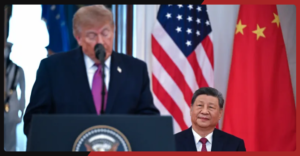
This exchange comes amid two major developments. First, earlier this week, the U.S., under the administration of President Donald Trump, imposed an additional 25% tariff on Indian goods—bringing the total to 50%—as punishment for India’s continued import of Russian oil. Second, India’s National Security Adviser Ajit Doval met with Kremlin officials, including Sergei Shoigu, to reinforce bilateral ties and discuss details of Putin’s upcoming visit to India.
Deepening Partnership Under Pressure
Modi’s call with Putin came just 48 hours after Trump’s executive order boosting tariffs on Indian imports came into public view. India retaliated by denouncing the move as “unfair, unjustified, and unreasonable,” citing Western double standards, particularly when European and American buyers continue to purchase Russian oil and nuclear materials freely.
On August 7, in Moscow, NSA Doval engaged in a display of high-level diplomacy. Meeting both Shoigu and Putin, Doval underscored India’s excitement over the impending visit and reaffirmed the “watershed” character of previous summits held with Russia.
Geopolitical Repercussions and Strategic Maneuvering
The phone call signals India’s purposeful geopolitical pivot. With U.S.–India trade talks collapsing—trading over agricultural market access, tariffs, and unsanctioned oil purchases—the stakes have risen. India’s expectations of securing a deal with more moderate tariffs were upended by Trump’s surprise escalation to 50%, prompting rising tension and urgency.
Opinion analysts highlight that Trump’s aggressive tariff slate may have delivered an unintended outcome—pushing India closer to Russia. As one commentary put it, “India-Russia bear hug is another Trump self-goal”.
With global diplomatic pressure mounting and India leaning into its BRICS and non-Western role, Modi’s outreach to Putin reflects a broader recalibration—affirming its autonomy and reinforcing alliances beyond U.S. influence.
Energy, Defense, and Future Outlook
Energy security remains a cornerstone of India–Russia ties. India’s purchase of Russian oil has surged since 2022, making Russia its largest supplier. Despite Trump’s threats, India has stood firm, citing national interest and the imperative of energy affordability.
On the defense front, India and Russia have also reaffirmed their intent to bolster cooperation, following diplomatic engagements by the Indian Ambassador in Moscow and Russian defense officials.
Looking forward, the 23rd Annual Summit—backdrop for Modi’s invitation—could yield tangible progress: energy purchase agreements, defense deals, manufacturing collaborations, or even new joint ventures. Its timing and execution could deeply influence India’s global positioning amid geopolitical turbulence.
Conclusion
As U.S.–India friction deepens, the Modi–Putin phone call stands as a robust sign of New Delhi’s intent to diversify and deepen its international partnerships. Rejecting pressure, India moves ahead, reaffirming enduring bonds with Russia while expanding strategic horizons. The upcoming summit might well set the contours of India’s foreign policy direction in the second half of 2025—anchored in multipolar cooperation rather than unilateral alignment.
Journalist Details

- Jitendra Kumar is an Indian journalist and social activist from Hathras in Uttar Pradesh is known as the senior journalist and founder of Xpert Times Network Private Limited.
Latest entries
 Latest NewsSeptember 27, 2026Rape Allegation Triggers Student Anger at LPU as Police Move In to Restore Order
 NewsSeptember 25, 2026Taiwan Remains One of the Most Sensitive Issues Between Washington and Beijing
 Latest NewsSeptember 24, 2026Fire Engulfs Delhi-Mahoba Sleeper Bus on Yamuna Expressway, Nine Dead
 Latest NewsSeptember 21, 2026Millions on Alert as Typhoon Dujuan Threatens Tokyo Region With Flooding and Landslides