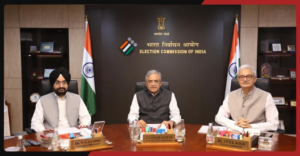
NDA Watches Closely as Opposition Parties Face Internal Challenges

Political developments within opposition parties often have consequences that extend far beyond their organizational structures. As the Trinamool Congress (TMC) and Shiv Sena (UBT) navigate reports of internal dissatisfaction and leadership-related concerns, the National Democratic Alliance (NDA) is likely monitoring these developments with considerable interest. In parliamentary politics, even limited unrest within opposition ranks can influence legislative outcomes, political narratives, and future alliance equations.
The strength of any opposition coalition depends not only on its numerical presence but also on its ability to remain united. Internal disagreements can weaken coordination, complicate decision-making, and reduce the effectiveness of collective action. For parties such as TMC and Shiv Sena (UBT), maintaining cohesion has become especially important given their prominent roles in national opposition politics.
The TMC has emerged over the years as one of the most influential regional parties in India. Its parliamentary presence and vocal stance on national issues have made it a key player in opposition politics. However, like many large political organizations, it faces the challenge of balancing centralized leadership with the aspirations of individual leaders and regional power centers.
As parties grow, differences over strategy, candidate selection, resource allocation, and organizational priorities can emerge. While such disagreements are common in democratic politics, they become significant when they begin affecting party unity. Any visible signs of dissent can create uncertainty regarding future political alignments and parliamentary coordination.
Shiv Sena (UBT) faces a different set of circumstances. The party has been rebuilding after a major political split that reshaped Maharashtra’s political landscape. Although the leadership has worked to consolidate support and reinforce organizational structures, maintaining unity remains a continuous challenge. The party’s ability to retain its political relevance depends largely on its capacity to prevent further fragmentation.
For the NDA, these developments could offer indirect advantages. Parliamentary politics often rewards stability and discipline. A divided opposition may struggle to present a unified response to government initiatives, making it easier for the ruling alliance to manage legislative business and advance its agenda.
The impact of opposition divisions is particularly important in Parliament. Successful opposition strategies require coordination across multiple parties on issues ranging from legislation and parliamentary debates to procedural motions and committee work. If internal disagreements distract party leaderships or reduce member participation, opposition effectiveness may decline.
In the Lok Sabha, where the NDA already enjoys substantial strength, opposition fragmentation could further reduce resistance to government proposals. The challenge for opposition parties is not merely opposing legislation but doing so in a coordinated and strategic manner. Internal distractions can weaken that effort.
The Rajya Sabha presents an even more sensitive arena. The upper house often serves as a platform where opposition parties can influence legislative outcomes through collective action. Since voting margins can sometimes be narrow, party discipline becomes critical. Any decline in coordinated opposition voting could strengthen the government’s position on important bills.
Political perception is another factor that should not be overlooked. Parties that appear stable and united generally inspire greater confidence among supporters and allies. Conversely, reports of internal disputes can create questions about leadership effectiveness and organizational resilience. Such perceptions may influence future alliance negotiations and electoral strategies.
The broader opposition coalition also faces implications. National-level opposition cooperation depends on trust, mutual support, and consistent communication among participating parties. If major constituents become occupied with internal disputes, coalition-wide coordination may become more difficult.
For the NDA, the situation underscores the importance of maintaining organizational discipline within its own ranks. Political opportunities often emerge not only from a party’s strengths but also from the weaknesses of its rivals. A fragmented opposition can create a more favorable environment for governance, legislative success, and political messaging.
However, it would be premature to assume that current tensions will automatically translate into lasting advantages for the ruling alliance. Opposition parties have repeatedly demonstrated their ability to overcome internal challenges and regroup when faced with common political objectives. Leadership interventions, organizational reforms, and strategic adjustments can often restore unity.
As the political landscape continues to evolve, the developments within TMC and Shiv Sena (UBT) will remain under close observation. Whether these challenges remain temporary setbacks or develop into larger structural issues could have a significant impact on parliamentary politics in the months ahead.
Ultimately, the story is not just about internal rebellions or party management. It is about how organizational stability shapes legislative power, influences political narratives, and determines the effectiveness of democratic competition in Parliament. In that context, every development within major opposition parties carries implications that extend far beyond their immediate political circles.
Journalist Details

- Jitendra Kumar is an Indian journalist and social activist from Hathras in Uttar Pradesh is known as the senior journalist and founder of Xpert Times Network Private Limited.
Latest entries
 Latest NewsSeptember 28, 2026Delhi Orders 50% Work From Home as Government Targets Winter Air Pollution
 Latest NewsSeptember 27, 2026Rape Allegation Triggers Student Anger at LPU as Police Move In to Restore Order
 NewsSeptember 25, 2026Taiwan Remains One of the Most Sensitive Issues Between Washington and Beijing
 Latest NewsSeptember 24, 2026Fire Engulfs Delhi-Mahoba Sleeper Bus on Yamuna Expressway, Nine Dead