White House Security Breach Sparks Questions After Shooter’s Earlier Arrest Comes to Light
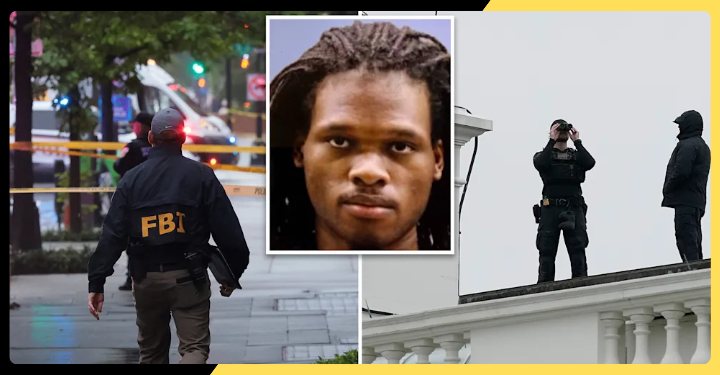
Fresh revelations in the 2025 White House shooting case have intensified public debate after authorities confirmed that the suspect had been arrested earlier in the year before allegedly carrying out the armed attack near one of America’s most protected locations.
Investigators say the accused had shown disturbing behavior months before the shooting and reportedly suffered from delusions, including believing he was “Jesus Christ.” The disclosure has triggered serious questions about whether warning signs were missed and if stronger action could have prevented the frightening security incident.
The shooting unfolded near the White House complex during a busy afternoon when tourists, media personnel, and government employees were present in the area. Panic spread rapidly after gunshots were heard, forcing Secret Service officers to react within seconds.
Eyewitnesses described scenes of confusion and fear as heavily armed officers rushed civilians away from security zones. Several people reportedly dropped to the ground while police vehicles and emergency responders flooded nearby streets.
Officials later confirmed that the suspect was quickly overpowered before he could enter highly restricted sections surrounding the White House. Authorities praised the rapid response of Secret Service agents, saying their actions likely prevented a much larger tragedy.
However, the focus of the investigation soon shifted from the attack itself to the shooter’s background.
According to law enforcement sources, the man had already been detained earlier in 2025 during a separate incident involving aggressive public behavior and threats. During that arrest, authorities allegedly observed signs of severe mental instability.
Investigators revealed that the suspect repeatedly claimed to be “Jesus Christ” and insisted he had been chosen for a special divine purpose. Reports suggest he displayed paranoid thinking and made alarming statements that worried officers at the time.
Despite those warning signs, the earlier arrest reportedly resulted in limited legal consequences. Mental health evaluations were recommended, but it remains unclear whether long-term treatment or monitoring ever took place.
The case has now reignited a national conversation about how authorities handle individuals showing extreme psychological distress, especially when their behavior suggests possible danger to the public.
Security experts say predicting violent acts remains extremely difficult, particularly when suspects act alone. However, critics argue that someone previously arrested for threatening behavior near sensitive government zones should have received closer attention.
Questions are also being raised about communication between local police departments, mental health services, and federal agencies responsible for national security. Some lawmakers have demanded a detailed review of how information about the suspect was handled before the attack.
Political leaders across party lines condemned the shooting and praised security personnel for protecting civilians and government institutions. At the same time, many called for stronger mental health systems capable of identifying and assisting individuals in crisis before situations become violent.
The incident has also fueled broader discussions around public safety and access to firearms. Advocacy groups are once again debating whether people showing clear signs of psychological instability should face stricter restrictions.
Meanwhile, online investigators and media outlets continue examining the suspect’s digital footprint. Authorities reportedly recovered social media posts and writings that reflected growing religious delusions and distrust toward government institutions.
Experts caution that while mental illness alone does not cause violence, untreated psychosis combined with isolation, paranoia, and access to weapons can create dangerous situations. They stress the importance of early intervention and community-based support systems.
For residents and tourists in Washington, D.C., the shooting served as another reminder that even heavily secured locations remain vulnerable to unpredictable lone actors.
Security around the White House was temporarily increased after the incident, with additional patrols and checkpoints placed throughout nearby areas. Officials have assured the public that no ongoing threat remains, though investigations are still underway.
As authorities continue piecing together the suspect’s past, many Americans are left asking the same difficult question: could this attack have been prevented if earlier warning signs had been taken more seriously?
The answer may shape future policy discussions surrounding mental health response, law enforcement coordination, and the protection of critical government institutions in the years ahead.
Journalist Details

- Jitendra Kumar is an Indian journalist and social activist from Hathras in Uttar Pradesh is known as the senior journalist and founder of Xpert Times Network Private Limited.
Latest entries
 Latest NewsSeptember 1, 2026PM Modi Puts Terrorism at Centre Stage During High-Profile SCO Address
 BusinessAugust 31, 2026Family Says Justice Is Incomplete After Two Suspected Ankit Balyan Killers Die in Encounter
 Latest NewsAugust 27, 2026What Happened in Kanpur? DGCA Probe Begins After Fatal Training Aircraft Crash
 Latest NewsAugust 26, 2026Nepal Flash Floods Wreak Havoc Near Tibet Border, Roads and Bridges Washed Away