Nepal Flash Floods Wreak Havoc Near Tibet Border, Roads and Bridges Washed Away
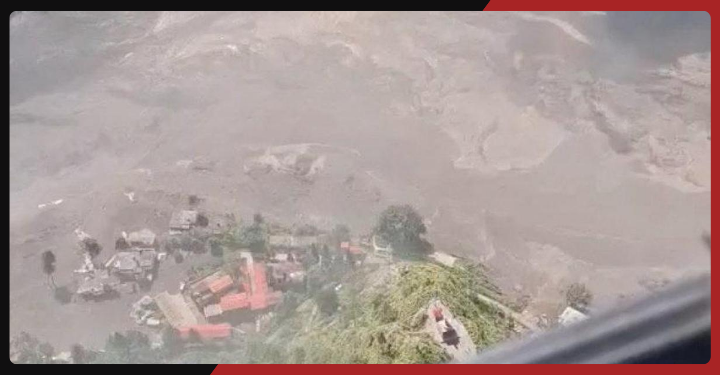
A catastrophic flash flood has devastated parts of Nepal’s Rasuwa district near the Tibet border, destroying roads, bridges, homes and key infrastructure. The disaster struck suddenly on Wednesday and left several people dead while hundreds were feared missing. Rescue operations were launched immediately, but the difficult Himalayan terrain has made access to affected areas extremely challenging.
The flood affected the Bhotekoshi River system and surrounding settlements. Videos from the region showed enormous quantities of water and debris moving through villages. Roads were inundated or destroyed, while bridges that connected communities were swept away.
The destruction of transport infrastructure is particularly serious because the Rasuwa region depends heavily on roads for movement of people and supplies. Once bridges and roads are damaged, rescue teams can struggle to move equipment and emergency supplies.
The region is also important for cross-border movement between Nepal and Tibet. Gyirong, on the Chinese side of the border, was reportedly affected by flooding as well, disrupting infrastructure and trade connections. Chinese authorities deployed hundreds of rescuers as the disaster spread across the border region.
The flood has also damaged hydropower infrastructure. Nepal relies heavily on hydropower for electricity generation, and damage to projects can have consequences beyond the immediate flood zone. The destruction of power infrastructure can affect communications, water supply and other essential services.
Authorities are investigating the cause of the sudden flood. Initial reports suggested that an earthquake may have triggered an avalanche involving ice and rocks. That material could have blocked a watercourse before the blockage gave way, producing a sudden and powerful flood downstream.
The disaster has resulted in a significant number of missing people. One initial estimate placed the total at 384, including 105 Indians and many foreign tourists. These figures remain subject to change as officials receive more information from remote locations.
The presence of tourists has made the rescue effort even more urgent. Many travellers use this corridor while heading towards Tibet and Mount Kailash. Families in India and other countries are waiting for confirmation about relatives who may have been travelling in the region.
India has responded by offering assistance to Nepal. Prime Minister Narendra Modi spoke with Nepal Prime Minister Balendra Shah and assured him that India was ready to provide humanitarian support.
Emergency relief supplies are being prepared, with medicines and food among the materials expected to be sent. The Indian Air Force has been kept ready to assist if required.
The immediate challenge is reaching people who may be stranded. Nepalese security forces, police and rescue personnel are working in dangerous conditions, with unstable slopes and continuing water flows creating additional risks.
Authorities have also urged residents near downstream rivers to move towards safer areas. The concern is that floodwater and debris could continue moving through river systems after the initial disaster.
The flash flood has highlighted the extreme vulnerability of Himalayan communities and infrastructure. The region faces a combination of steep slopes, powerful rivers, extreme weather and geological instability.
As rescue operations continue, officials are expected to provide further information about casualties, missing people and infrastructure damage. Until then, authorities are urging people in vulnerable locations to remain alert and follow evacuation instructions.
Journalist Details

- Jitendra Kumar is an Indian journalist and social activist from Hathras in Uttar Pradesh is known as the senior journalist and founder of Xpert Times Network Private Limited.
Latest entries
 Latest NewsOctober 10, 2026Dhruv Rathee’s Reported Detention Sparks Questions About Protest Rights and Police Action in Delhi
 Latest NewsOctober 8, 2026SIR Row Spreads From Delhi to Bengaluru as Activists Demand Greater Electoral Transparency
 NewsOctober 7, 2026Rahul Gandhi Leads Opposition Showdown With Election Commission Over Voter Rolls
 NewsOctober 6, 2026Harmanpreet Kaur’s Captaincy Journey Ends After Years of Highs, Pressure and Historic Achievements