Strait of Hormuz Crisis Deepens as U.S.-Iran Fighting Sends Oil Prices Higher
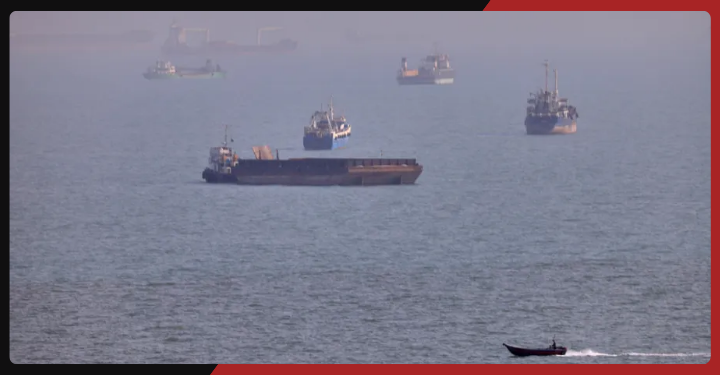
Renewed military confrontation between the United States and Iran has once again placed the Strait of Hormuz at the center of a global crisis, with fears over energy supplies pushing oil prices sharply higher.
The latest U.S. strikes on Iranian targets and Tehran’s military response have created concerns that the conflict could directly affect one of the world’s most important shipping routes.
The Strait of Hormuz is strategically important because a significant volume of global oil and energy supplies passes through the narrow waterway. Any threat to shipping immediately creates anxiety in international markets.
The latest fighting followed rising tensions involving commercial vessels and military activity in and around the Gulf.
The United States said its military operation targeted Iranian capabilities associated with the Islamic Revolutionary Guard Corps. Washington cited concerns over threats to American personnel and commercial shipping.
Iran responded by launching attacks against U.S. military interests in the region, escalating fears that the confrontation could spread beyond Iranian territory.
The immediate economic impact was visible in global oil markets. Prices jumped significantly as traders reacted to concerns about possible supply disruptions.
Brent crude and U.S. West Texas Intermediate both recorded major gains as the latest military developments increased uncertainty about the future of energy flows through the region.
Higher oil prices can affect countries around the world. For major oil-importing nations, a sustained increase can lead to higher transportation and energy costs.
Inflation could also become a concern if rising crude prices eventually affect fuel prices and the cost of goods.
For countries in Asia, Europe and other regions dependent on Middle Eastern energy supplies, the security of shipping routes is particularly important.
The crisis also highlights the broader economic consequences of military conflict. Even when fighting takes place far from international financial centers, uncertainty surrounding oil supplies can quickly influence markets across the world.
The Strait of Hormuz has historically been one of the most sensitive strategic locations in the Middle East. Any confrontation involving Iran and the United States increases concerns because both countries possess significant military capabilities.
Commercial shipping companies may also face difficult decisions. If security risks increase, vessels could face delays, changes in routes or higher insurance costs.
Such disruptions could create additional pressure on global supply chains.
Iran has signaled strong opposition to restrictions affecting its ability to move oil and conduct trade. Washington, meanwhile, has used military and economic pressure in its broader confrontation with Tehran.
This combination has created an increasingly dangerous situation around the Gulf.
The latest exchange of strikes demonstrates how quickly tensions can move from economic pressure to direct military action.
International governments are now closely watching whether fighting will affect shipping on a larger scale.
For ordinary consumers, the consequences may eventually be felt through higher fuel and transportation costs.
The biggest concern remains the possibility that continued military escalation could create a prolonged crisis in the Strait of Hormuz.
As long as Washington and Tehran continue exchanging threats and military attacks, global markets will remain highly sensitive to every new development.
The conflict has therefore become more than a regional security crisis. It is now a major concern for the global economy, energy markets and international stability.
Journalist Details

Latest entries
 NewsSeptember 2, 2026Strait of Hormuz Crisis Deepens as U.S.-Iran Fighting Sends Oil Prices Higher
 Latest NewsAugust 24, 2026From ISRO to Startups: PM Modi Pushes India’s New Space Economy
 NewsAugust 20, 2026China in Focus as Trump Threatens Countries Trading With Iran
 NewsAugust 19, 2026Dubai-Iran Trade Corridor Under Threat as UAE Announces Indefinite Embargo