
Ceuta and Melilla: Why These Spanish Enclaves Are Migration Hotspots
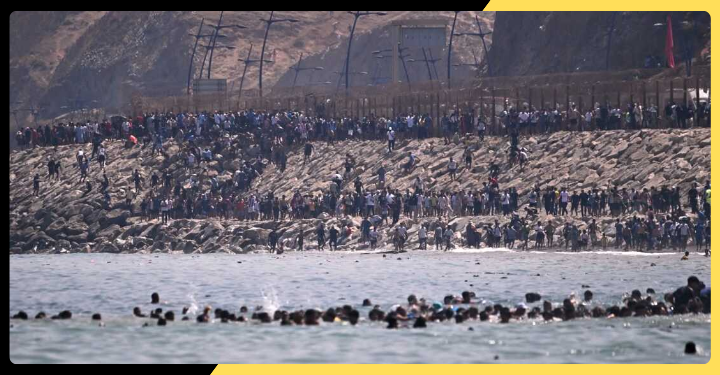
The Spanish territories of Ceuta and Melilla have become some of the most closely watched migration points in the world because they represent a unique geographical and political situation. Located on the northern coast of Africa but governed by Spain, these two cities are surrounded by Moroccan territory while remaining part of the European Union. For many migrants hoping to enter Europe, reaching Ceuta or Melilla is seen as a direct gateway to a new life.
Unlike most European borders, which are separated from Africa by the Mediterranean Sea, Ceuta and Melilla have land borders with Morocco. This makes them extremely important locations for migrants attempting to reach European territory. Crossing into either city means entering Spanish jurisdiction and, therefore, stepping onto European Union soil. This possibility has made the two enclaves a major focus of migration movements for decades.
Ceuta covers an area of about 20 square kilometers on the northern tip of Africa, while Melilla is located farther east along the Moroccan coast. Both cities have populations that include Spanish citizens as well as communities with diverse cultural backgrounds. They are economically connected to nearby Moroccan regions, with daily movement of goods and people playing an important role in local life.
The borders surrounding Ceuta and Melilla are heavily fortified. Large fences, surveillance systems, cameras, and security patrols have been installed to prevent unauthorized crossings. These barriers are among the most visible symbols of Europe’s efforts to control its external borders. However, despite the security measures, thousands of migrants have attempted to cross them over the years.
Many migrants see these enclaves as more achievable targets compared with dangerous sea routes. Crossing the Mediterranean can involve overcrowded boats, unpredictable weather, and the risk of drowning. By contrast, the land border offers the possibility of reaching Europe without crossing open water. This has led groups of migrants to organize large-scale attempts to climb fences or force entry through border gates.
The location of Ceuta and Melilla also reflects the complicated history between Spain and Morocco. Morocco has historically claimed sovereignty over the two territories, arguing that they should be returned to Moroccan control. Spain, however, maintains that Ceuta and Melilla are integral parts of its territory. This political disagreement adds another layer of complexity to border management and migration cooperation between the two countries.
Morocco plays a central role in controlling migration toward these Spanish enclaves. Spanish authorities rely heavily on cooperation with Moroccan security forces to monitor migration routes and prevent large groups from reaching the border. When relations between Spain and Morocco are strong, border controls often become tighter. When diplomatic tensions increase, migration pressure at the border can also rise.
One of the biggest challenges for authorities is the unpredictable nature of mass border attempts. Migrants often gather quickly in large numbers, making it difficult for security forces to respond without causing injuries. Previous attempts have resulted in people being injured during clashes, falls from fences, or overcrowded conditions. The tragedy involving the deaths of migrants during a border breach attempt highlighted the dangers created by these situations.
Human rights organizations have repeatedly raised concerns about conditions at the borders of Ceuta and Melilla. They argue that migrants, including potential asylum seekers, should have access to fair procedures and protection under international law. Critics have questioned some border practices and called for greater transparency regarding the treatment of people attempting to enter Spanish territory.
At the same time, Spanish officials argue that Ceuta and Melilla face unique pressures because they are external borders of the European Union. They say uncontrolled crossings create security challenges and place significant pressure on local authorities. Spain has emphasized the need for cooperation with European partners and neighboring countries to manage migration effectively.
The situation in Ceuta and Melilla represents a much larger European debate about migration. These small territories have become symbols of the difficult balance between protecting borders and respecting humanitarian responsibilities. The challenges faced there reflect broader questions affecting many countries: How can nations control irregular migration while ensuring that vulnerable people receive protection?
As migration pressures continue, Ceuta and Melilla are likely to remain at the center of discussions about Europe’s border policies. Their unique geography, political importance, and role as entry points into the European Union ensure that they will continue to be closely watched by governments, humanitarian groups, and migrants seeking a new future.
Journalist Details

Latest entries
 NewsSeptember 20, 2026Mumbai Coastal Road Tragedy: BMW Crashes Through Barrier, Three Young Lives Lost
 Latest NewsSeptember 17, 2026Aaditya Thackeray Denies Disha Salian Link as Father Issues Rs 500 Crore Notice
 Latest NewsSeptember 14, 2026‘I Felt Unsafe’: Gurugram Woman Biker’s Road Rage Ordeal Caught on Video
 Latest NewsSeptember 7, 2026‘Criticism Is Fine, Insults Are Not’: Vijay Redefines the Limits of Political Speech