
Noida Minor’s Apology Video Goes Viral After Controversial Remarks Against PM Modi Trigger Public Outrage
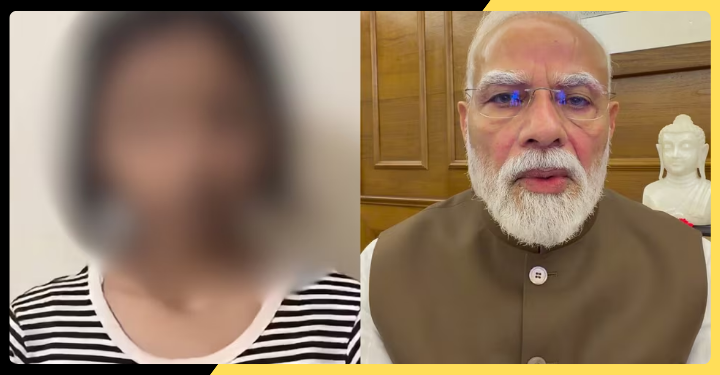
A 15-year-old resident of Noida has found himself at the center of a nationwide controversy after a video allegedly showing him using abusive language against Prime Minister Narendra Modi went viral across social media platforms. The clip spread rapidly on X, Instagram, Facebook, and WhatsApp, drawing strong reactions from political leaders, citizens, legal experts, and educators. As criticism mounted, the teenager released a public apology, saying he regretted his actions and asking the entire nation to forgive him.
In the apology video, the minor folded his hands before the camera and admitted that he had made a mistake. “I am sorry to the entire nation. I am just 15 years old. Please forgive me,” he said. The emotional statement quickly gained traction online, with many people praising him for acknowledging his mistake, while others questioned whether the apology came only after public pressure and the possibility of legal action.
The controversy began when the original video surfaced on social media. The clip allegedly showed the teenager making offensive remarks about Prime Minister Narendra Modi. Within a short period, the video had been widely shared, sparking outrage among supporters of the Prime Minister and prompting heated debates about freedom of speech, respect for constitutional authorities, and the responsibilities that come with using social media.
As the video continued to circulate, several users demanded action against the boy, arguing that abusive language directed at the country’s elected leader should not be tolerated. Others, however, urged restraint, pointing out that the individual involved is a minor and should be given an opportunity to learn from his mistake rather than face severe punishment.
According to reports, local authorities took note of the viral content after receiving complaints. Since the boy is only 15 years old, any legal proceedings would be governed by the Juvenile Justice (Care and Protection of Children) Act. The law emphasizes rehabilitation and counseling for children in conflict with the law instead of punitive measures commonly applied to adults.
Legal experts explained that while Article 19 of the Indian Constitution guarantees freedom of speech and expression, the right is subject to reasonable restrictions. Speech that is defamatory, promotes hatred, or threatens public order may attract legal scrutiny. However, in the case of juveniles, courts and authorities generally prioritize corrective measures, keeping the child’s future and welfare in mind.
The incident has reignited discussions about the role of social media in shaping the behavior of young people. Experts believe many teenagers often seek attention through controversial videos without fully understanding the legal and social consequences of their actions. In the race for likes, followers, and online popularity, some young users may cross boundaries that result in serious repercussions.
Child psychologists suggest that adolescents are still developing emotionally and may not always appreciate the long-term consequences of their behavior. Peer influence, online trends, and the desire for recognition often contribute to impulsive actions. Specialists argue that while inappropriate behavior should be addressed, rehabilitation and education are generally more effective than harsh punishment in helping minors make better decisions.
Education professionals have also highlighted the importance of digital literacy. They believe schools should teach students about responsible internet usage, respectful online communication, cyber laws, and ethical behavior on digital platforms. As children spend increasing amounts of time online, understanding digital responsibility has become essential for preventing similar incidents.
The controversy has also exposed the extraordinary speed at which social media can amplify an individual’s actions. What may have begun as a single video recorded on a smartphone quickly reached millions of viewers, triggering discussions across television debates, news portals, and political circles. This demonstrates how even one post can have nationwide consequences in today’s digital age.
Political analysts observed that public figures often become subjects of criticism in democratic societies, but they emphasized that constructive criticism differs significantly from abusive language. Healthy political debate remains an important part of democracy, while personal insults frequently attract controversy and legal attention.
The teenager’s apology has generated mixed responses from the public. Some citizens believe that admitting his mistake publicly reflects maturity and should be accepted as a sincere effort to correct his actions. Others argue that a public apology alone should not be enough and that appropriate counseling or legal guidance should also follow to discourage similar behavior among other young social media users.
Parents across the country have also expressed concern about the incident. Many believe children require greater supervision while using social media, as online platforms expose them to diverse opinions, trends, and content that may influence their behavior. Experts recommend that families have regular conversations about digital etiquette, respectful communication, and the importance of thinking carefully before posting anything online.
The case also serves as a reminder that digital footprints can have lasting consequences. Videos uploaded to the internet often remain accessible for years, potentially affecting a person’s education, employment opportunities, and public image. For young users especially, understanding that online actions have real-world consequences is increasingly important.
Authorities are expected to continue handling the matter in accordance with laws protecting juveniles. Since the legal system treats minors differently from adults, any further steps are likely to focus on education, counseling, and rehabilitation rather than severe punishment.
The Noida teenager’s apology has now become part of a larger national conversation about responsible social media use, freedom of expression, and accountability in the digital era. While opinions remain divided, the incident has highlighted the need for greater awareness among young internet users about the impact of their words and actions.
Ultimately, the story is not just about one teenager or one viral video. It reflects the broader challenges of balancing free speech with responsible communication in an age where every post has the potential to reach millions. The incident serves as a valuable reminder that respect, responsibility, and thoughtful expression are essential values for anyone participating in today’s digital public sphere.
Journalist Details

- Jitendra Kumar is an Indian journalist and social activist from Hathras in Uttar Pradesh is known as the senior journalist and founder of Xpert Times Network Private Limited.
Latest entries
 Latest NewsSeptember 19, 2026From Steel Cutting to Keel Laying: Indian Navy’s First NGMV Moves Ahead at Cochin Shipyard
 Latest NewsSeptember 18, 2026More Than 50 CCTV Cameras Examined In Delhi Teen Murder Investigation
 Bharat StoriesSeptember 18, 2026DJ VIX: The London Born Indian DJ Bringing Three Decades Of Global Experience To The World Of Luxury Celebrations In 2026
 NewsSeptember 16, 2026Mecca Security on Alert After Saudi Forces Shoot Down Houthi Drone