
Tsunami Warning Issued After Indonesia’s 7.7 Quake, Thousands Evacuate Flores
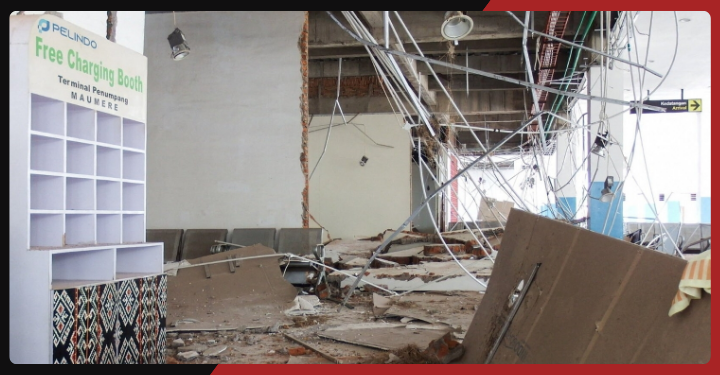
The magnitude 7.7 earthquake that struck off Indonesia’s Flores Island early Saturday not only caused deadly destruction on land but also triggered fears of a tsunami. Authorities issued a tsunami warning soon after the earthquake, sending residents in coastal areas toward higher ground. The warning was later lifted after the immediate threat passed.
The earthquake struck beneath the sea near Flores in East Nusa Tenggara province. The US Geological Survey placed the earthquake at a depth of approximately 10 kilometres, while Indonesia’s BMKG initially recorded it at about 15 kilometres.
The strong shaking was felt across a broad region. Buildings were damaged or collapsed, roads were blocked by landslides and electricity was interrupted. Images from affected locations showed residents fleeing buildings and gathering in open areas.
The tsunami warning immediately became a major concern because Flores has a history of deadly tsunami disasters. In 1992, a major earthquake near the island triggered a tsunami that killed around 2,500 people.
Residents responded quickly to the latest warning. Thousands moved away from coastal areas, while emergency authorities began monitoring sea levels and possible waves. Reports later indicated that waves of less than one metre were observed in some areas. The warning was cancelled roughly three hours later.
Even after the tsunami warning ended, residents remained anxious because aftershocks continued. Authorities urged people to stay alert and avoid damaged buildings.
The earthquake caused significant casualties. Initial reports indicated 20 deaths, but the toll later increased to at least 38 as rescuers reached additional affected locations.
The rescue operation was complicated by landslides and damaged transportation links. Some communities were difficult to reach, while communication outages slowed the exchange of information between local officials and emergency agencies.
Around 2,000 residents evacuated from affected areas. For many families, the evacuation meant leaving homes without knowing whether they would be safe to return.
The earthquake also affected essential infrastructure. Reports indicated damage to houses, warehouses and government facilities. Power outages were recorded across affected communities.
Indonesia’s location on the Pacific Ring of Fire means that earthquakes and volcanic activity are common. However, the latest Flores earthquake demonstrates how a single offshore earthquake can create multiple dangers at once: strong ground shaking, building collapse, landslides, aftershocks and potential tsunami waves.
Emergency crews are continuing to assess the situation. Helicopters and other resources were being prepared to support rescue and relief operations in locations where roads have been blocked.
For residents who experienced the earthquake, the disaster is likely to leave a lasting impact. The immediate threat from the tsunami warning may have ended, but the humanitarian response is only beginning.
Officials are now focused on locating missing people, treating the injured, providing shelter and restoring essential services while continuing to monitor the possibility of further aftershocks.
Journalist Details

- Jitendra Kumar is an Indian journalist and social activist from Hathras in Uttar Pradesh is known as the senior journalist and founder of Xpert Times Network Private Limited.
Latest entries
 Latest NewsOctober 8, 2026SIR Row Spreads From Delhi to Bengaluru as Activists Demand Greater Electoral Transparency
 NewsOctober 7, 2026Rahul Gandhi Leads Opposition Showdown With Election Commission Over Voter Rolls
 NewsOctober 6, 2026Harmanpreet Kaur’s Captaincy Journey Ends After Years of Highs, Pressure and Historic Achievements
 NewsOctober 4, 2026Houthi Positions Targeted in Major Yemen Offensive as Army Claims Hundreds Killed