Public Support Grows Amid Appeals for Activist to End Hunger Strike on Exam Corruption

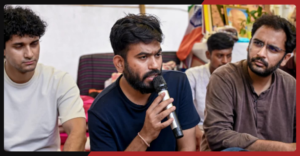
Public concern over the integrity of India’s competitive examination system has continued to grow as an activist’s hunger strike keeps the issue of alleged exam paper leaks and recruitment irregularities in the national spotlight. While supporters have praised the campaign for drawing attention to long-standing concerns about transparency and fairness, there have also been increasing appeals from doctors, educators, community leaders, and student organizations for the activist to end the fast and continue the movement through dialogue and institutional engagement.
The protest has resonated with many students who say repeated reports of examination irregularities have created uncertainty for millions of candidates preparing for highly competitive entrance tests and government recruitment examinations. For many young people, success in these examinations represents years of dedicated study and the opportunity to secure higher education or stable employment. Allegations of paper leaks or other forms of malpractice can therefore have far-reaching consequences for both individuals and public confidence in the examination process.
Support for stronger examination reforms has grown across different sections of society. Student associations, education advocates, and parents have called for comprehensive measures to improve examination security and ensure that recruitment and admission processes remain merit-based. Many believe that preventing future paper leaks requires a combination of technological improvements, stricter oversight, and faster legal action against those responsible for organized cheating.
At the same time, concern for the activist’s health has become increasingly prominent. Medical professionals have cautioned that prolonged hunger strikes can lead to severe dehydration, nutritional deficiencies, weakened immunity, and other serious complications. Healthcare experts have encouraged supporters to prioritize the activist’s well-being while continuing to pursue meaningful reforms through peaceful and democratic channels.
Family members and close associates have also appealed for the hunger strike to be suspended. They argue that preserving the activist’s health would allow continued participation in discussions aimed at securing lasting improvements to India’s examination system. Supporters emphasize that the movement is larger than any one individual and can continue through legal advocacy, public awareness campaigns, and constructive engagement with policymakers.
Government officials have acknowledged the concerns raised by students and have stated that efforts are underway to strengthen examination security. Authorities have highlighted measures such as enhanced digital monitoring, improved coordination between examination agencies and law enforcement, stricter handling of confidential examination materials, and ongoing investigations into alleged cases of examination fraud. Officials have also reiterated that individuals found guilty of participating in paper leak networks will face legal consequences.
Despite these assurances, many students continue to demand broader institutional reforms. Education specialists have suggested the adoption of advanced encryption technologies for question papers, biometric verification at examination centers, independent security audits, and transparent communication whenever irregularities are identified. Such measures, they argue, would help rebuild confidence among candidates who have become increasingly concerned about the reliability of competitive examinations.
The controversy has also highlighted the emotional and financial pressures experienced by examination candidates. Preparing for competitive tests often requires significant investments in coaching, educational resources, travel, and accommodation. Examination cancellations or delays resulting from suspected irregularities can increase these burdens, forcing students to spend additional time and money while facing uncertainty about future opportunities.
Education policy experts believe that restoring trust requires sustained commitment rather than temporary responses to individual incidents. They recommend regular reviews of examination procedures, stronger cybersecurity protections, independent oversight bodies, and continuous evaluation of security protocols. By identifying weaknesses before examinations take place, authorities may be able to reduce the likelihood of future breaches.
The issue has generated extensive discussion on social media, where students have shared personal experiences about postponed examinations, recruitment delays, and the challenges of maintaining motivation despite repeated setbacks. Many users have expressed support for reforms designed to protect honest candidates while emphasizing that peaceful dialogue remains the most effective path toward lasting change.
Legal experts have also entered the discussion, advocating stronger legislation targeting organized examination fraud. They argue that quicker investigations, faster court proceedings, and stricter penalties could discourage criminal networks from attempting to manipulate recruitment and admission processes. According to legal analysts, visible accountability is essential for restoring public confidence in examination authorities.
Observers note that the debate extends beyond education alone. Competitive examinations play a significant role in shaping professional careers, public service recruitment, and access to educational opportunities. As a result, maintaining fairness and transparency is considered essential not only for individual candidates but also for strengthening trust in public institutions.
As appeals continue for the activist to end the hunger strike, attention remains focused on whether ongoing discussions can produce meaningful reforms. Students, parents, educators, and policymakers all share an interest in ensuring that competitive examinations reward merit, preparation, and hard work rather than allowing misconduct to influence outcomes.
While the immediate future of the protest remains uncertain, the broader conversation it has inspired is likely to continue. Many stakeholders believe the current public attention presents an opportunity to introduce lasting improvements that enhance examination security, strengthen accountability, and restore confidence in one of the country’s most important systems for educational admission and public recruitment. Whether through legislative action, technological innovation, or closer cooperation among institutions, the goal remains the same: creating a fair and transparent examination process that serves the interests of every deserving candidate.
Journalist Details

- Jitendra Kumar is an Indian journalist and social activist from Hathras in Uttar Pradesh is known as the senior journalist and founder of Xpert Times Network Private Limited.
Latest entries
 Bharat StoriesOctober 23, 2026DJ BPM AKA Bhavan Parekh Named Among Best DJ Of 2026 For His Signature Sounds, Global Performances And Being A Complete RIOT On Stage
 Bharat StoriesOctober 22, 2026Deejay Sachin Named Among The Best DJ Of 2026 For His 28 Year Legacy In The Electronic Music Industry
 Latest NewsOctober 20, 2026RSS Chief Urges Protesters to Seek Solutions Rather Than Create Social Divisions
 Bharat StoriesOctober 16, 2026Gurdeep Singh Live Named Among The Best Live Musical Artist Of 2026 For His Remarkable Journey And Musical Legacy Across India