Rajasthan School Inspection Row Deepens After CJP Team Is Chased Away

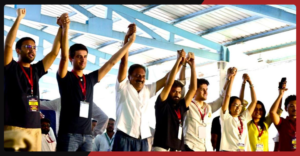
The dispute over government-school inspections in Rajasthan intensified on Friday when a CJP team was reportedly stopped and chased away by local residents during a visit to the Jaipur district. The confrontation, which reportedly included physical clashes and damage to vehicles, has opened a new chapter in the organisation’s ongoing dispute with the state government over its “School Thik Karo” campaign.
CJP members had travelled to the Rampura-Kanwarpura area to inspect a government school. According to CJP co-convenor Ashutosh Ranka, the team wanted to document the school’s condition and raise questions about its infrastructure. He alleged that the school had been operating from a buffalo shed for several years.
The team’s arrival reportedly angered some villagers. Videos from the area show residents confronting CJP members, while reports say the activists were eventually chased away. Several vehicles were reportedly damaged during the confrontation. CJP founder Abhijeet Dipke later alleged that members of his organisation had been physically assaulted.
The incident has generated competing narratives. CJP has described the confrontation as a politically motivated attack and alleged that BJP-linked individuals were involved. Local residents, however, have rejected the characterisation and said they opposed the organisation’s political approach to the school issue.
Some villagers reportedly argued that the school was already scheduled for improvement and that funds had been sanctioned for development. A figure of approximately Rs 12.5 lakh has been cited in reports concerning the school. Residents questioned why CJP members needed to intervene when local authorities were already handling the matter.
The dispute comes days after Rajasthan’s education department restricted unauthorised entry into government schools. Under the new directions, outsiders need permission from the principal or head of the institution before entering school premises. The department also restricted photography, videography, interviews and live streaming without authorisation.
The timing has become politically controversial. CJP had announced its intention to visit schools that it considered to be in poor condition shortly before the education department issued the restrictions. Critics interpreted the move as an attempt to prevent documentation of school conditions, while the government cited student privacy and safety.
The department’s circular referred to the principle of “In Loco Parentis”, under which schools have responsibilities similar to those of parents toward children. It also referred to constitutional privacy protections and child-safety guidelines.
The CJP campaign itself has expanded rapidly. The organisation says volunteers have inspected schools across several states, documenting issues such as locked toilets, poor drinking water, damaged classrooms, unsafe buildings and shortages of staff. The campaign has attempted to make school infrastructure a national political issue.
Rajasthan has become one of its most visible battlegrounds. CJP representatives have challenged the state government over school conditions and demanded greater accountability from Education Minister Madan Dilawar. Ranka has also challenged the minister to showcase schools developed during his tenure.
The latest confrontation makes the campaign more complicated. If political groups attempt to inspect schools without permission, authorities may face genuine concerns about security and student privacy. At the same time, if public institutions are facing infrastructure problems, residents and civil-society groups have a legitimate interest in ensuring that those problems receive attention.
The immediate priority should therefore be establishing the facts. Authorities need to determine whether anyone was assaulted, whether property was damaged and whether political workers were involved. Equally important is determining the actual condition of the school and the status of funds reportedly allocated for its improvement.
The controversy demonstrates how education issues can quickly become political flashpoints. A damaged classroom or inadequate facility may begin as an administrative problem but become a political issue when citizens, activists and political organisations demand answers.
For the children studying in these schools, the political battle matters less than whether they have safe buildings, functioning toilets, clean water, electricity and qualified teachers.
Rajasthan now faces an opportunity to turn the controversy into a constructive process. Transparent inspections, publicly available infrastructure records and regular community consultations could reduce confrontation while ensuring that genuine problems are not ignored.
The CJP has said it will continue its campaign. Whether that campaign produces reforms or further clashes will depend largely on how authorities, local communities and the organisation choose to engage with each other.
Journalist Details

- Jitendra Kumar is an Indian journalist and social activist from Hathras in Uttar Pradesh is known as the senior journalist and founder of Xpert Times Network Private Limited.
Latest entries
 Latest NewsOctober 8, 2026SIR Row Spreads From Delhi to Bengaluru as Activists Demand Greater Electoral Transparency
 NewsOctober 7, 2026Rahul Gandhi Leads Opposition Showdown With Election Commission Over Voter Rolls
 NewsOctober 6, 2026Harmanpreet Kaur’s Captaincy Journey Ends After Years of Highs, Pressure and Historic Achievements
 NewsOctober 4, 2026Houthi Positions Targeted in Major Yemen Offensive as Army Claims Hundreds Killed