TMC’s Identity Is Rooted in Mamata Banerjee’s Leadership, Says Mahua Moitra
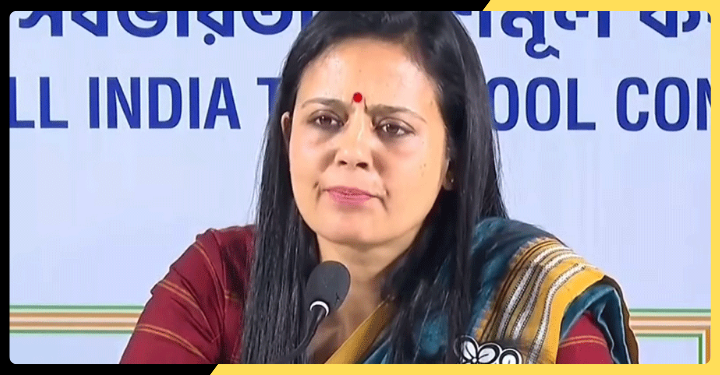
Trinamool Congress (TMC) leader Mahua Moitra has strongly reiterated that the party’s identity, credibility, and political strength remain deeply connected to the leadership of West Bengal Chief Minister Mamata Banerjee. Her comments come amid ongoing political discussions regarding leadership structures within the party and growing interest in the future direction of the TMC as it continues to play an important role in both state and national politics.
Moitra’s remarks reinforce a long-standing perception within the Trinamool Congress that Mamata Banerjee is not only the founder of the party but also the central figure responsible for its rise and continued success. Since establishing the TMC in 1998, Banerjee has built a political movement that transformed West Bengal’s political landscape and challenged established political forces in the state.
According to Moitra, the party’s connection with voters is closely tied to the trust and confidence that Banerjee has earned through years of political struggle and public service. She emphasized that the TMC’s legitimacy comes from its leader’s unwavering commitment to the people of West Bengal and her ability to represent their aspirations effectively.
Political analysts view these statements as significant because they come at a time when questions about leadership succession and organizational dynamics are being discussed more frequently. While the party has developed a strong team of leaders over the years, Banerjee continues to remain its most influential face. Her political decisions, campaign strategies, and public outreach efforts have consistently shaped the party’s trajectory.
For many supporters, Mamata Banerjee symbolizes the very essence of the Trinamool Congress. Her political journey, which began with grassroots activism and evolved into one of the most influential careers in Indian politics, remains a source of inspiration for party workers. This personal connection between Banerjee and the party’s cadre has helped create a unique political culture within the organization.
Moitra’s comments also highlight the importance of leadership in maintaining party unity. In large political organizations, differing opinions and internal debates are inevitable. However, strong leadership often serves as a unifying force, enabling members to focus on common goals and electoral objectives. By emphasizing Banerjee’s central role, Moitra sought to reinforce the message that the party remains united under a shared vision.
The Trinamool Congress has achieved remarkable electoral success under Banerjee’s guidance. The party’s historic victory in the 2011 West Bengal Assembly elections marked a turning point in the state’s political history. Since then, the TMC has managed to retain power through multiple elections, demonstrating its ability to adapt to changing political circumstances while maintaining voter support.
Beyond West Bengal, the party has attempted to expand its influence across India. While its primary base remains in the state, the TMC has increasingly positioned itself as a significant voice in national political debates. Banerjee’s prominence as a regional leader with national recognition has been a key factor in these efforts.
Mahua Moitra has emerged as one of the party’s most prominent national spokespersons. Known for her strong parliamentary interventions and active engagement on political issues, she frequently represents the party’s perspective on major developments. Her recent comments reflect a broader effort to emphasize organizational discipline and loyalty to the leadership.
Observers note that such statements often carry strategic significance. In politics, perceptions of unity and stability can influence public confidence and strengthen a party’s position ahead of important elections. By publicly affirming Banerjee’s leadership, Moitra helped underscore the continuity and cohesion that the TMC seeks to project.
Supporters argue that Banerjee’s enduring popularity stems from her direct engagement with citizens and her ability to address local concerns. Her leadership style, often characterized by accessibility and grassroots interaction, has contributed significantly to the party’s appeal among diverse sections of society.
As India’s political landscape continues to evolve, regional parties like the Trinamool Congress face both opportunities and challenges. Maintaining organizational unity and a clear political identity will remain critical for future success. In this context, Moitra’s assertion that the TMC’s identity is rooted in Mamata Banerjee’s leadership serves as a reaffirmation of the party’s core philosophy.
Looking ahead, the Trinamool Congress is expected to continue relying on Banerjee’s experience, political instincts, and public connect as it navigates future electoral contests. For many within the party, her leadership remains the foundation upon which its achievements and aspirations are built. Mahua Moitra’s remarks reflect that belief, emphasizing that Mamata Banerjee continues to be the defining force behind the TMC’s identity and political journey.
Journalist Details

- Jitendra Kumar is an Indian journalist and social activist from Hathras in Uttar Pradesh is known as the senior journalist and founder of Xpert Times Network Private Limited.
Latest entries
 Latest NewsSeptember 21, 2026Millions on Alert as Typhoon Dujuan Threatens Tokyo Region With Flooding and Landslides
 Bharat StoriesSeptember 21, 2026Sharp Sixx From Mumbai Emerges As One Of The Most Distinctive Acappella Bands Of 2026
 Latest NewsSeptember 19, 2026From Steel Cutting to Keel Laying: Indian Navy’s First NGMV Moves Ahead at Cochin Shipyard
 Latest NewsSeptember 18, 2026More Than 50 CCTV Cameras Examined In Delhi Teen Murder Investigation