Marking Disputes Spark Nationwide Concern Among Exam Candidates
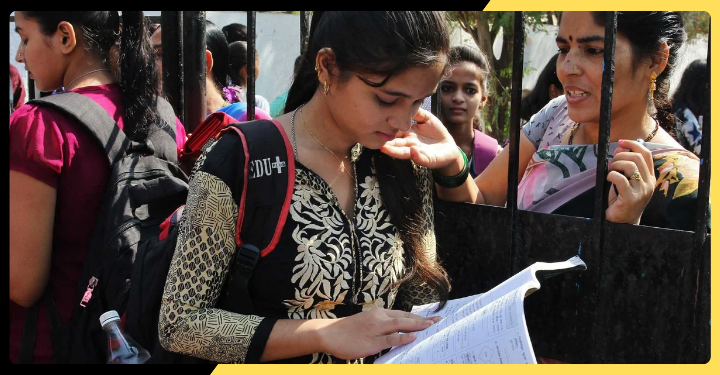
Marking disputes in several major examinations have sparked concern among students across India, with thousands of candidates questioning the accuracy of their scores and demanding greater transparency in the evaluation process. The growing controversy has triggered widespread discussions about the reliability of examination systems and the potential impact of marking errors on students’ academic and professional futures.
The issue gained prominence following the release of results for various board examinations, university assessments, and competitive entrance tests. Students from different regions reported unexpected scores that they believed did not reflect their actual performance. As concerns spread, social media platforms became filled with complaints, discussions, and appeals for intervention by educational authorities.
Many students have alleged that mistakes occurred during the marking process. Some claim that correct answers received fewer marks than expected, while others argue that portions of their answer sheets may not have been evaluated properly. There have also been reports of errors in the calculation of total marks, leading students to question whether adequate verification procedures were followed before results were published.
The controversy has become particularly significant because examinations play a crucial role in determining access to higher education and career opportunities. In a highly competitive academic environment, even a small difference in marks can affect college admissions, scholarship eligibility, and placement in merit lists. Consequently, concerns about marking accuracy have generated considerable anxiety among candidates and their families.
For many students, examination results represent years of hard work and preparation. Competitive tests often require months or even years of focused study, with candidates dedicating significant time and effort to achieving their goals. When unexpected results raise doubts about the evaluation process, students may feel that their efforts have not been fairly recognized.
Parents have also expressed concern about the growing number of marking disputes. Many families invest substantial financial resources in education through coaching programs, tutoring services, study materials, and examination fees. They argue that students deserve an evaluation process that is both accurate and transparent, particularly when examination outcomes can shape future educational and professional prospects.
Student organizations have actively supported candidates seeking clarification regarding their scores. Several groups have launched online campaigns calling for reforms in examination evaluation systems. Their demands include greater access to answer sheets, detailed marking breakdowns, affordable re-evaluation procedures, and quicker resolution of score-related disputes.
One of the most frequently cited concerns involves the process of obtaining answer sheets and requesting reviews. Students often report that accessing evaluated answer papers can be time-consuming and expensive. Advocacy groups argue that easier access to answer sheets would allow students to better understand how marks were awarded and identify any potential discrepancies more effectively.
Educational experts acknowledge that evaluating large numbers of examination papers presents significant logistical challenges. Major examinations often involve millions of candidates, requiring thousands of evaluators to complete assessments within limited timeframes. While quality-control measures are generally designed to maintain consistency, experts note that no system is entirely immune to errors.
Several specialists have emphasized the importance of maintaining public confidence in examination systems. They argue that transparent procedures, clear communication, and efficient grievance mechanisms are essential for preserving trust among students, parents, and educators. Without confidence in the fairness of evaluations, disputes are likely to continue generating controversy.
Examination authorities have defended their processes, stating that multiple stages of moderation and verification are typically conducted before results are finalized. Officials emphasize that examiners follow established marking guidelines and that quality checks are implemented to ensure consistency. They also encourage students with concerns to make use of available rechecking and re-evaluation options.
Despite these assurances, critics contend that existing review procedures may not adequately address all concerns. In many cases, students face tight admission deadlines while waiting for appeals to be processed. This situation can create uncertainty and place additional pressure on candidates already dealing with the emotional impact of disputed results.
The controversy has also renewed discussions about the future of educational assessment in India. Some experts argue that reliance on a single examination creates excessive pressure and increases the consequences of any marking errors. They suggest adopting more comprehensive evaluation models that combine examinations with continuous assessment, project work, and practical performance measures.
Technology is increasingly viewed as a potential tool for reducing marking disputes. Digital evaluation platforms, automated score verification systems, and artificial intelligence-assisted review processes may help improve consistency and minimize human error. However, experts caution that technology should complement, rather than replace, careful human oversight.
Beyond the technical aspects of evaluation, the issue highlights the emotional and psychological challenges faced by students. Uncertainty about examination results can lead to stress, frustration, and disappointment, particularly for candidates whose future plans depend heavily on academic performance.
As marking disputes continue to attract attention, educational stakeholders are calling for reforms that prioritize accuracy, transparency, and accountability. The current debate serves as a reminder that examination systems must not only measure academic achievement effectively but also earn the trust of those they are designed to assess.
Whether through improved evaluation procedures, enhanced technological support, or broader educational reforms, many believe that addressing these concerns is essential to ensuring fairness for future generations of students.
Journalist Details

Latest entries
 NewsSeptember 2, 2026Strait of Hormuz Crisis Deepens as U.S.-Iran Fighting Sends Oil Prices Higher
 Latest NewsAugust 24, 2026From ISRO to Startups: PM Modi Pushes India’s New Space Economy
 NewsAugust 20, 2026China in Focus as Trump Threatens Countries Trading With Iran
 NewsAugust 19, 2026Dubai-Iran Trade Corridor Under Threat as UAE Announces Indefinite Embargo