
Political Divide Deepens Over Trump’s Claimed Iran Peace Breakthrough
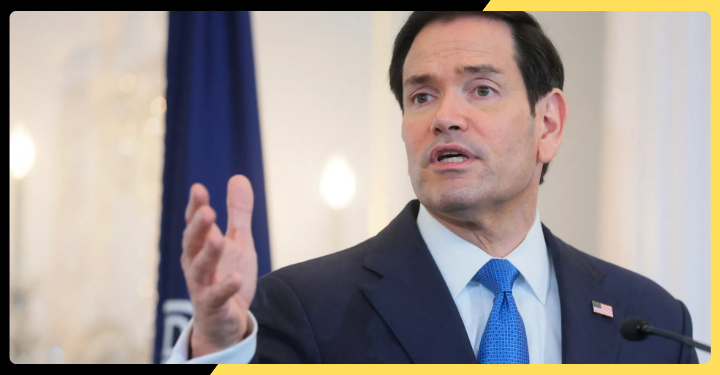
The announcement of a new peace framework involving the United States and Iran has quickly become a major political flashpoint in Washington. While supporters of President Donald Trump have hailed the development as a landmark diplomatic success, Democratic leaders are urging caution and demanding more information before offering their endorsement. The contrasting reactions highlight the deep political divisions that continue to shape foreign policy debates in the United States.
Trump allies have portrayed the agreement as proof that a combination of strong military deterrence and aggressive diplomacy can achieve results. They argue that the administration’s approach forced Iran to reconsider its position and engage in meaningful negotiations. Supporters say the agreement demonstrates effective leadership at a time when many feared that tensions between Washington and Tehran could spiral into a broader regional conflict.
Republican lawmakers and conservative commentators have emphasized the significance of bringing both sides to the negotiating table after a period marked by military threats, sanctions, and diplomatic breakdowns. According to supporters, the announcement represents an opportunity to reduce instability across the Middle East while protecting American interests and allies in the region. Some have even compared the agreement to previous diplomatic breakthroughs that reshaped regional relationships and lowered the risk of war.
However, Democrats have been far less enthusiastic. Rather than celebrating the announcement, many lawmakers are focusing on unanswered questions surrounding the agreement. They argue that broad statements about peace are not enough and that the public deserves a clear understanding of what commitments have been made by both countries. Democratic leaders have called for detailed briefings and congressional oversight to ensure that the agreement serves long-term national security goals.
A major concern among critics is the lack of publicly available information regarding enforcement mechanisms. Peace agreements often depend on verification systems designed to ensure compliance. Without clear guidelines and monitoring procedures, opponents argue that any deal could be vulnerable to misunderstandings or violations. They want assurances that promises made during negotiations will be backed by measurable actions and transparent reporting.
Another issue involves Iran’s nuclear ambitions. While reports suggest that nuclear discussions remain part of the broader diplomatic process, critics say it is unclear whether the current framework adequately addresses concerns about uranium enrichment and future weapons development. Many Democrats insist that any lasting agreement must include strict safeguards and international verification measures to prevent future escalation.
The debate also extends to economic sanctions. Some reports indicate that sanctions relief could be part of future negotiations, but details remain uncertain. Supporters believe economic incentives may encourage cooperation and stability, while opponents worry that easing restrictions too quickly could weaken U.S. leverage. The disagreement reflects broader differences in how the two parties view diplomacy and pressure as tools of foreign policy.
International reactions have generally been measured. Several foreign governments have welcomed efforts to reduce tensions, recognizing the potential benefits for regional security and global trade. Markets often react positively to signs of stability in the Middle East because the region plays a critical role in global energy supplies. Nevertheless, many international observers remain cautious until more concrete details emerge.
Political analysts note that the agreement arrives during a period of intense partisan competition in Washington. As a result, interpretations of the announcement are being shaped not only by foreign policy considerations but also by domestic political calculations. Supporters see a diplomatic achievement that could strengthen Trump’s political standing, while critics argue that scrutiny is necessary to ensure accountability and effectiveness.
Ultimately, the success of the agreement will depend on what happens next. Announcing a framework is only the first step in a lengthy diplomatic process. The coming weeks and months will reveal whether both sides are willing and able to fulfill their commitments. Until then, the political divide surrounding the agreement is likely to remain a defining feature of the national conversation.
Journalist Details

Latest entries
 NewsSeptember 20, 2026Mumbai Coastal Road Tragedy: BMW Crashes Through Barrier, Three Young Lives Lost
 Latest NewsSeptember 17, 2026Aaditya Thackeray Denies Disha Salian Link as Father Issues Rs 500 Crore Notice
 Latest NewsSeptember 14, 2026‘I Felt Unsafe’: Gurugram Woman Biker’s Road Rage Ordeal Caught on Video
 Latest NewsSeptember 7, 2026‘Criticism Is Fine, Insults Are Not’: Vijay Redefines the Limits of Political Speech