
U.S.-Iran Conflict Escalates, Putting Bahrain and Kuwait on High Alert
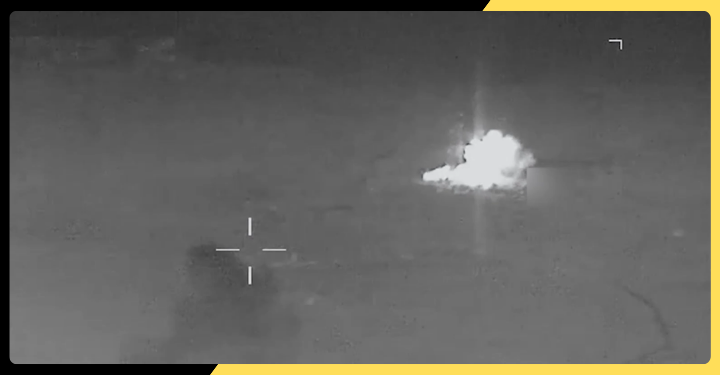
The latest escalation between the United States and Iran has placed Bahrain and Kuwait on heightened security alert, as concerns grow that the Gulf region could face increased risks if tensions continue to rise. Following recent U.S. military strikes on Iranian military-linked facilities, both Gulf nations have strengthened security measures around key infrastructure while working closely with regional and international partners to monitor the evolving situation.
Officials in Bahrain and Kuwait have emphasized that there is no confirmed indication of an imminent attack on their territories. However, authorities say precautionary measures are necessary because both countries host important U.S. military facilities that could become potential targets in the event of a broader regional confrontation. Governments in both nations have urged citizens and residents to remain calm, follow official updates, and avoid spreading unverified information through social media.
The U.S. military operation targeted facilities that American officials described as supporting Iranian military capabilities. Washington said the strikes were intended to reduce threats to U.S. personnel and allied interests in the Middle East. Iran strongly condemned the attacks, accusing the United States of violating international law and warning that it would respond in a manner it considered appropriate.
Security analysts believe that any retaliation, if it occurs, could take several forms, including missile strikes, drone attacks, cyber operations, or actions carried out through allied groups operating in the region. While no direct threats against Bahrain or Kuwait have been officially confirmed, military experts say countries hosting American forces are likely to remain under close scrutiny during the current crisis.
Bahrain has responded by increasing security around military bases, government offices, ports, airports, oil facilities, and other strategic locations. Additional police patrols have been deployed across major cities, while emergency management agencies have reviewed response plans for various security scenarios. Officials continue to coordinate with allied defense forces to monitor regional developments in real time.
Kuwait has adopted similar measures by reinforcing protection around critical infrastructure and conducting comprehensive reviews of emergency preparedness plans. Military officials have enhanced coordination with civil defense agencies to ensure rapid response capabilities if the regional security situation changes. Government representatives have stressed that these steps are preventive and should not be interpreted as evidence of an immediate threat.
The Gulf region’s strategic importance makes it particularly vulnerable during periods of geopolitical tension. Bahrain hosts the headquarters of the U.S. Navy’s Fifth Fleet, a key component of American naval operations in the Middle East. Kuwait serves as an important logistical hub for U.S. military activities across the region, supporting personnel, equipment, and humanitarian missions.
Energy markets have reacted cautiously to the latest developments. Oil prices experienced increased volatility as investors assessed the possibility of supply disruptions from one of the world’s most important energy-producing regions. The Strait of Hormuz remains a major concern because it serves as a vital shipping route for global oil exports. Any disruption to maritime traffic could affect fuel prices and international trade worldwide.
International diplomatic efforts have intensified as world leaders seek to prevent further escalation. The United Nations has called on all parties to exercise restraint and prioritize dialogue over military action. Several governments have urged both Washington and Tehran to avoid decisions that could trigger a wider regional conflict with significant humanitarian and economic consequences.
Military experts note that Bahrain and Kuwait have invested heavily in advanced defense systems over the past decade. Modern missile defense technology, integrated radar networks, and intelligence-sharing partnerships provide significant protection against various aerial threats. Nevertheless, experts acknowledge that evolving military technologies, including drones and cyber capabilities, require constant adaptation and vigilance.
Despite the tense regional environment, daily life in Bahrain and Kuwait has remained largely unaffected. Businesses continue operating, schools remain open, and public transportation services function normally. Government agencies have encouraged residents to stay informed through official communication channels rather than relying on rumors circulating online.
Economic analysts warn that prolonged instability could affect investment, tourism, aviation, and shipping throughout the Gulf region. While markets remain resilient, continued uncertainty may influence business confidence and increase costs for transportation and insurance companies operating in the Middle East.
Political observers believe that the coming days will be crucial in determining whether the crisis moves toward diplomatic negotiations or further military exchanges. Much depends on how both the United States and Iran choose to respond to recent events, as well as the effectiveness of mediation efforts by regional and international partners.
For Bahrain and Kuwait, maintaining national security while supporting regional stability remains a delicate balancing act. Both governments have reaffirmed their commitment to protecting their populations, preserving economic stability, and encouraging peaceful solutions to international disputes.
As tensions continue to evolve, Gulf nations remain focused on preparedness without creating unnecessary public alarm. Enhanced security, close international cooperation, and sustained diplomatic engagement will play a critical role in determining whether the region experiences further escalation or begins moving toward de-escalation. The international community will continue to watch developments closely as leaders work to prevent the current crisis from expanding into a wider regional conflict.
Journalist Details

- Jitendra Kumar is an Indian journalist and social activist from Hathras in Uttar Pradesh is known as the senior journalist and founder of Xpert Times Network Private Limited.
Latest entries
 Bharat StoriesOctober 22, 2026Deejay Sachin Named Among The Best DJ Of 2026 For His 28 Year Legacy In The Electronic Music Industry
 Latest NewsOctober 20, 2026RSS Chief Urges Protesters to Seek Solutions Rather Than Create Social Divisions
 Bharat StoriesOctober 16, 2026Gurdeep Singh Live Named Among The Best Live Musical Artist Of 2026 For His Remarkable Journey And Musical Legacy Across India
 Latest NewsOctober 16, 2026Why Abhijeet Dipke Is Willing to Risk Arrest in CJP’s Fight Over Electoral Reforms