
The Environmental Benefits and Challenges of Ethanol-Blended Fuel
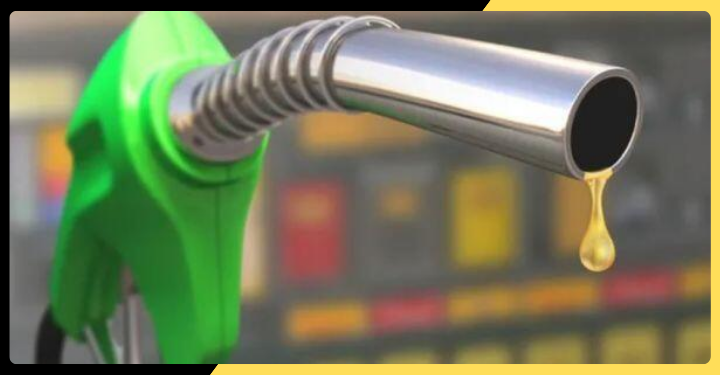
India’s decision to increase the use of ethanol-blended petrol is driven not only by economic and energy security goals but also by the need to address environmental challenges. As one of the world’s fastest-growing economies, India faces rising energy demand, increasing vehicle ownership, and growing concerns about air pollution and climate change. By blending ethanol with petrol, the government aims to reduce harmful emissions while promoting a cleaner and more sustainable transportation system. However, although ethanol offers several environmental advantages, it also presents challenges that must be carefully managed.
One of the primary environmental benefits of ethanol is that it is a renewable fuel. Unlike crude oil, which takes millions of years to form, ethanol is produced from crops such as sugarcane, maize, and surplus food grains. These crops can be grown and harvested annually, allowing ethanol production to continue as long as agricultural resources are available. Because the plants used to produce ethanol absorb carbon dioxide during their growth, the overall carbon emissions from ethanol can be lower than those of conventional fossil fuels when evaluated across their full life cycle.
Blending ethanol with petrol also helps reduce certain harmful exhaust emissions. Vehicles using ethanol blends generally emit lower levels of carbon monoxide, a toxic gas that contributes to poor air quality. Ethanol’s oxygen-rich composition promotes more complete combustion inside the engine, which can also reduce emissions of some hydrocarbons and particulate matter under specific operating conditions. In cities struggling with traffic-related air pollution, these reductions can contribute to cleaner air and improved public health.
Another significant environmental advantage is the potential reduction in greenhouse gas emissions. Transportation is one of the largest sources of carbon dioxide emissions worldwide. By replacing a portion of petrol with ethanol produced from renewable feedstocks, India hopes to lower emissions from millions of petrol-powered vehicles. Although ethanol is not a zero-emission fuel, it can help reduce the carbon footprint of existing vehicles while the country gradually transitions toward electric mobility and other clean energy technologies.
The use of agricultural waste for ethanol production offers additional environmental opportunities. Instead of relying solely on sugarcane and maize, researchers and policymakers are encouraging the production of second-generation ethanol from crop residues such as rice straw, wheat straw, and other agricultural waste. This approach not only provides a renewable fuel source but also helps reduce the practice of stubble burning, which contributes significantly to seasonal air pollution in northern India.
Despite these advantages, ethanol production also raises several environmental concerns. One of the most frequently discussed issues is water consumption. Sugarcane, the primary source of ethanol in India, is a water-intensive crop that requires substantial irrigation in many regions. Critics argue that expanding sugarcane cultivation for fuel production could place additional pressure on already stressed water resources, particularly in states facing recurring droughts and groundwater depletion.
Land use is another important consideration. As demand for ethanol increases, farmers may choose to allocate more land to crops used for fuel production. While this can create new economic opportunities, some experts worry that excessive expansion of energy crops could compete with food production or encourage changes in land use that affect biodiversity and natural ecosystems. Policymakers are therefore exploring ways to diversify ethanol feedstocks by using damaged grains, agricultural residues, and other non-food biomass.
The production process itself also has environmental impacts. Ethanol plants require energy, water, and industrial infrastructure to convert agricultural materials into fuel. If production facilities rely heavily on fossil fuels or inefficient technologies, some of the environmental benefits of ethanol may be reduced. Investments in cleaner production methods and renewable energy sources can help improve the sustainability of ethanol manufacturing.
Transportation and storage also play a role in the overall environmental balance. Ethanol must be transported from production facilities to fuel distribution centers, requiring logistics networks that consume energy. In addition, ethanol’s chemical properties require careful handling and storage to prevent contamination and maintain fuel quality.
Experts agree that ethanol blending should be viewed as one part of a broader clean energy strategy rather than a complete solution to environmental challenges. Expanding public transportation, promoting electric vehicles, improving fuel efficiency, encouraging cycling and walking, and investing in renewable electricity all remain essential components of reducing emissions from the transportation sector.
India’s ethanol blending programme demonstrates how renewable fuels can contribute to cleaner transportation while supporting rural development and energy security. However, maximizing environmental benefits requires careful planning, sustainable farming practices, efficient production technologies, and responsible water management. By balancing these factors, India can strengthen the environmental performance of its biofuel programme while minimizing unintended consequences.
As the country continues its transition toward a greener future, ethanol-blended petrol is likely to remain an important bridge between conventional fossil fuels and the next generation of low-carbon transportation. Its long-term success will depend not only on blending targets but also on ensuring that environmental sustainability remains at the heart of every stage of production and use.
Journalist Details

Latest entries
 NewsOctober 22, 2026Saudi Airport Attack Raises Fresh Concerns Over Security of Civilian Infrastructure
 NewsOctober 12, 2026INDIA Bloc Raises Vote Theft Concerns as CJI Directs Attention to Legal Process
 NewsOctober 5, 2026Runoff Looms in Brazil as Bolsonaro’s Lead Narrows During Vote Count
 Latest NewsOctober 1, 2026Tennessee Halts Executions After Christa Pike Survives Death Sentence Attempt