
Digital Clues Crack Terror Case: Girlfriend’s Posts Reveal Alleged Attack Plan
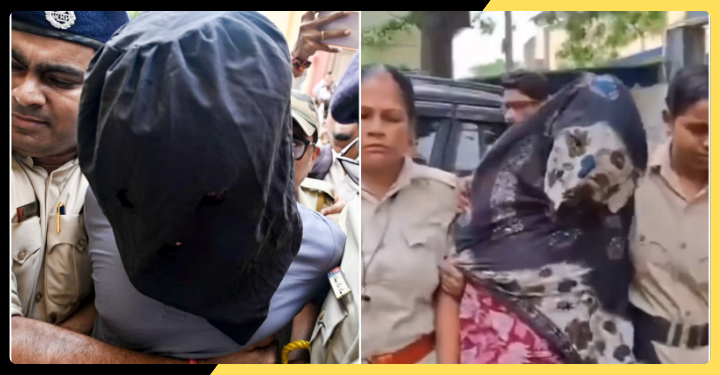
A suspected terror conspiracy aimed at one of Delhi’s busiest public gathering spots was allegedly uncovered after investigators followed a trail of digital evidence originating from social media posts linked to the accused’s girlfriend. According to officials, the investigation showcases how cyber intelligence and digital forensics have become indispensable tools in modern counter-terrorism efforts, allowing agencies to identify potential threats before they escalate into real-world attacks.
The case began when intelligence agencies received credible information about an individual suspected of maintaining contact with extremist elements. Based on these inputs, authorities initiated discreet surveillance, monitoring the suspect’s movements, communications, and online activities. While the investigation initially focused on the suspect himself, officers soon expanded their inquiry to include people within his close social circle, including family members and close associates.
Officials said that one particular social media account belonging to the suspect’s girlfriend attracted attention due to unusual online behaviour. Investigators noticed a pattern of photographs, captions, location tags, and interactions that appeared insignificant individually but became meaningful when analysed collectively. Advanced cyber tools helped investigators compare the digital activity with intelligence already gathered through other sources.
According to investigators, several posts indicated repeated visits to locations considered strategically important. Although the content did not openly discuss any criminal plan, experts reportedly identified coded references, timing patterns, and communication links that warranted further examination. The digital evidence prompted agencies to intensify surveillance and seek additional intelligence.
As investigators pieced together the available information, they allegedly uncovered discussions suggesting that Delhi’s Jantar Mantar was being considered as a possible target. The iconic site is widely known as a venue for protests, demonstrations, and public meetings, attracting large crowds throughout the year. Security officials believed that any attack at such a location could cause significant casualties and widespread panic, prompting an immediate security response.
Multiple agencies, including intelligence units, cyber specialists, and law enforcement personnel, coordinated their efforts to verify the information. Surveillance teams monitored the suspect’s daily activities while forensic experts analysed mobile phones, online communications, and digital records. Authorities reportedly wanted to ensure that they possessed sufficient evidence before taking action.
Once investigators believed they had established a clear picture of the alleged conspiracy, the suspect was taken into custody during a carefully planned operation. Officials stated that the arrest was conducted without incident and that precautionary measures were taken to avoid any threat to public safety.
Searches carried out at properties linked to the accused resulted in the recovery of laptops, smartphones, storage devices, handwritten notes, and digital documents. These materials have been sent to forensic laboratories where specialists are attempting to retrieve deleted files, encrypted conversations, internet browsing records, and other electronic evidence that may provide deeper insight into the alleged terror plan.
Investigators are now examining whether the suspect acted independently or received assistance from a broader extremist network. Financial records, travel history, online transactions, and communication logs are all being scrutinised. Officials are also attempting to identify whether the accused had contact with individuals located outside India or was influenced by online propaganda distributed through extremist channels.
The role of the suspect’s girlfriend remains under investigation. Authorities have clarified that while her social media activity proved valuable in identifying investigative leads, there is no official confirmation that she knowingly participated in any unlawful activity. She has reportedly been questioned to determine her knowledge of the suspect’s movements, online communications, and personal associations.
Legal experts emphasise that digital evidence must be carefully examined and independently verified before criminal liability can be established. Investigators are expected to rely on forensic reports, witness statements, and corroborating evidence before filing any formal charges against additional individuals.
Cybersecurity professionals believe the case illustrates the evolving nature of national security investigations. Modern intelligence operations increasingly depend on digital footprints such as geolocation data, cloud storage, messaging applications, online purchases, and social media interactions. When combined with traditional intelligence gathering, these digital traces can reveal patterns that might otherwise remain unnoticed.
Security agencies have also highlighted the importance of cyber forensics in preventing potential attacks. Advanced software can reconstruct deleted conversations, establish communication timelines, identify hidden networks, and recover information from damaged or encrypted devices. Such capabilities have become essential in responding to rapidly evolving security threats.
Following the arrest, authorities reportedly strengthened security at several key locations across Delhi. Police increased patrols at public gathering spots, reviewed surveillance systems, and conducted additional security checks to reassure the public and deter potential threats. Officials stressed that there was no immediate cause for panic but that precautionary measures were necessary while the investigation continues.
The case has reignited debate about privacy and security in the digital age. Experts note that while social media platforms enable people to stay connected, they also create digital records that may later become important pieces of evidence in criminal investigations. Responsible use of online platforms and awareness of digital privacy remain essential for all users.
Authorities have reiterated that the investigation is ongoing and that further developments may emerge as forensic experts continue analysing seized electronic devices. Additional arrests are possible if investigators uncover evidence linking other individuals to the alleged conspiracy.
The alleged disruption of the Jantar Mantar attack plan reflects the growing effectiveness of combining conventional intelligence with sophisticated digital investigations. As technology continues to reshape communication and criminal activity alike, cyber intelligence is expected to remain at the forefront of efforts to protect public safety and counter emerging security threats.
Journalist Details

Latest entries
 NewsSeptember 20, 2026Mumbai Coastal Road Tragedy: BMW Crashes Through Barrier, Three Young Lives Lost
 Latest NewsSeptember 17, 2026Aaditya Thackeray Denies Disha Salian Link as Father Issues Rs 500 Crore Notice
 Latest NewsSeptember 14, 2026‘I Felt Unsafe’: Gurugram Woman Biker’s Road Rage Ordeal Caught on Video
 Latest NewsSeptember 7, 2026‘Criticism Is Fine, Insults Are Not’: Vijay Redefines the Limits of Political Speech