
Legal Showdown Begins as 25 States Take Trump Administration to Court Over New Tariffs
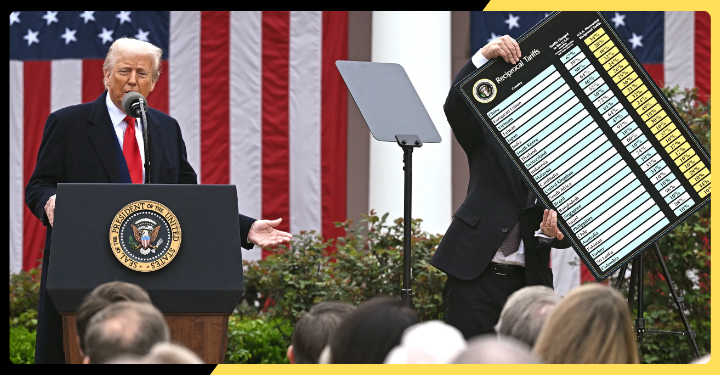
The Trump administration is facing another significant legal challenge after a coalition of 25 U.S. states filed a lawsuit contesting its latest tariff policy on imports from dozens of international trading partners. The lawsuit, filed before the U.S. Court of International Trade, argues that the administration has overstepped its legal authority by imposing broad import duties that could have far-reaching consequences for businesses, consumers, and the U.S. economy.
The legal dispute comes as President Donald Trump continues to pursue an aggressive trade strategy aimed at protecting American industries and addressing what the administration describes as unfair foreign trade practices. The White House maintains that the tariffs are necessary to combat issues such as forced labor in global supply chains and to encourage fairer trade relationships with key international partners. However, state governments challenging the policy believe the administration has exceeded the limits established by federal law.
According to court documents, the new tariffs apply to imports from nearly 60 countries and territories, with duty rates ranging from approximately 10 percent to 12.5 percent. Administration officials argue that these measures are designed to protect domestic manufacturers, reduce dependence on foreign imports, and strengthen the American economy by encouraging companies to invest more heavily in production within the United States.
The coalition of states strongly disputes those claims. Attorneys general representing the plaintiffs argue that the administration is attempting to reintroduce tariff policies that courts have previously ruled unlawful. While the White House has cited a different section of federal trade law to justify the latest measures, the states argue that the practical impact remains largely unchanged from earlier tariff actions that were struck down.
The lawsuit emphasizes that Congress holds primary constitutional authority over regulating international trade. Although federal statutes grant presidents limited authority to impose tariffs under certain circumstances, the plaintiffs argue that those powers cannot be expanded beyond what lawmakers intended. They contend that the administration failed to meet the legal standards required before imposing such sweeping import duties.
One of the central concerns raised in the lawsuit is the economic impact on American consumers. Tariffs increase the cost of imported goods entering the United States, and those higher costs are often passed along throughout the supply chain. As businesses pay more for imported products and raw materials, consumers frequently experience higher prices on everyday goods, including electronics, furniture, appliances, clothing, and automobiles.
Manufacturing companies also face growing challenges under the new tariff policy. Many U.S. manufacturers rely on imported components that are difficult or impossible to source domestically. Increased import costs may force companies to raise prices, reduce production, delay expansion plans, or seek alternative suppliers at additional expense.
Retailers are similarly concerned about the financial impact. Businesses that depend on imported consumer products could see shrinking profit margins if they choose not to pass increased costs on to customers. Those that do raise prices risk reduced consumer demand, particularly during periods of economic uncertainty.
Small businesses may be especially vulnerable. Unlike large multinational corporations with diversified supply chains and greater financial resources, many small companies lack the flexibility to quickly adjust sourcing strategies or absorb higher operating costs. Business organizations have warned that prolonged tariffs could slow hiring, reduce investment, and place additional pressure on local employers across multiple industries.
The Trump administration remains confident that the tariffs are legally justified. Officials argue that stronger trade enforcement is necessary to address longstanding problems involving unfair competition, intellectual property concerns, and labor practices in certain foreign markets. Administration representatives believe tariffs provide important leverage during international trade negotiations and encourage foreign governments to implement meaningful reforms.
Supporters of the administration’s trade agenda argue that temporary economic costs may ultimately produce long-term benefits. They believe tariffs can help revive domestic manufacturing, create new jobs, reduce America’s dependence on overseas suppliers, and improve national economic security.
Opponents, however, maintain that tariffs rarely achieve their intended goals without imposing significant costs on consumers and businesses. Many economists argue that import duties effectively function as taxes on American importers, who generally transfer those costs to consumers through higher prices.
Legal experts believe this lawsuit could establish another important precedent regarding presidential authority over trade policy. The Court of International Trade will examine whether the administration properly exercised its statutory powers and complied with federal legal requirements before implementing the new tariffs.
If the court rules against the administration, the decision could significantly limit future presidents’ ability to impose broad tariffs without direct congressional approval. Conversely, if the administration prevails, the ruling may strengthen executive authority over international trade and expand the range of tools available to future administrations.
Appeals are considered highly likely regardless of the trial court’s decision, meaning the dispute could eventually reach the U.S. Supreme Court. Until then, businesses, investors, manufacturers, and global trading partners will continue monitoring the case closely, recognizing that its outcome could shape the future of American trade policy for years to come.
Journalist Details

- Jitendra Kumar is an Indian journalist and social activist from Hathras in Uttar Pradesh is known as the senior journalist and founder of Xpert Times Network Private Limited.
Latest entries
 Latest NewsSeptember 19, 2026From Steel Cutting to Keel Laying: Indian Navy’s First NGMV Moves Ahead at Cochin Shipyard
 Latest NewsSeptember 18, 2026More Than 50 CCTV Cameras Examined In Delhi Teen Murder Investigation
 Bharat StoriesSeptember 18, 2026DJ VIX: The London Born Indian DJ Bringing Three Decades Of Global Experience To The World Of Luxury Celebrations In 2026
 NewsSeptember 16, 2026Mecca Security on Alert After Saudi Forces Shoot Down Houthi Drone