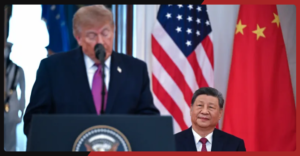
Trump Questions Tariff Data as Debate Over US-India Trade Intensifies
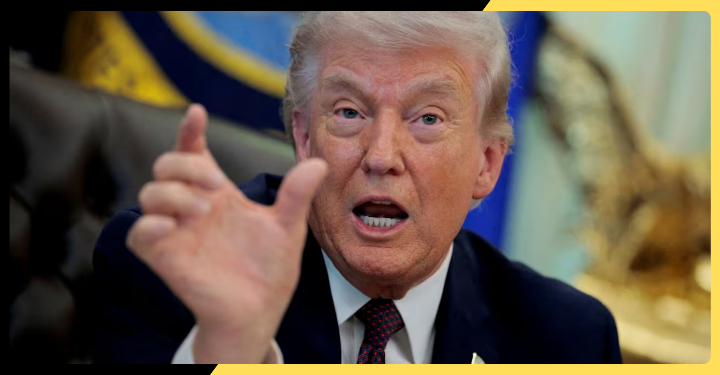
A reported disagreement between Donald Trump and Commerce Secretary Howard Lutnick over India’s tariff figures has reignited discussions about the state of US-India trade relations. The exchange, which reportedly involved Trump questioning the accuracy of the data presented to him, reflects broader concerns about how trade barriers are measured and understood in modern economic policy.
Trade statistics often play a central role in shaping negotiations between countries. Tariff rates, in particular, are closely monitored because they directly affect the competitiveness of imported goods. However, experts frequently point out that tariff figures alone do not tell the entire story. Factors such as regulatory requirements, import restrictions, and licensing procedures can also influence market access.
Trump’s reported challenge to the tariff data underscores his long-standing focus on trade fairness. Throughout his political career, he emphasized the importance of reducing barriers facing American businesses and ensuring that trading partners offered comparable access to their markets. His administration frequently highlighted tariff disparities when discussing international economic relationships.
India has often been at the center of these conversations. As one of the world’s largest emerging economies, India maintains tariff policies that vary significantly across sectors. While some industries have benefited from liberalization and reduced duties, others continue to enjoy substantial protection from foreign competition. Indian officials argue that these measures are necessary to support domestic manufacturing and safeguard employment.
The debate over tariff figures is not simply about economics; it also has political implications. Trade policy often becomes a reflection of broader national priorities, including industrial growth, job creation, and economic security. As a result, disagreements over data can quickly become disputes over strategy and direction.
According to analysts, one challenge is that different methods can produce different tariff estimates. Average tariffs may differ from weighted averages, while sector-specific duties can vary considerably from overall national figures. Policymakers must therefore determine which measurements best reflect the realities facing exporters and importers.
The reported exchange between Trump and Lutnick also highlights the importance of internal policy discussions. Before governments negotiate with foreign partners, they must first reach consensus on their own assessments and objectives. Differences in interpretation can influence negotiation tactics and policy outcomes.
Despite these disagreements, the US-India economic relationship continues to expand. Bilateral trade has grown significantly over the past decade, supported by increasing cooperation in technology, defense, pharmaceuticals, and energy. Both countries view each other as important strategic partners in an evolving global economy.
Business leaders have generally welcomed efforts to reduce trade barriers and improve market access. Companies operating in both countries see significant opportunities for growth if regulatory obstacles can be minimized and trade procedures streamlined. Greater economic integration could also strengthen supply chains and encourage investment.
At the same time, policymakers must balance these opportunities against domestic concerns. Industries facing foreign competition often advocate for protective measures, while exporters push for greater openness. Finding the right balance remains one of the most challenging aspects of trade policy.
The reported dispute over India’s tariff figures serves as a reminder that economic policymaking often involves complex debates behind closed doors. While public attention tends to focus on negotiations between countries, internal discussions about data and strategy can be equally influential. As the United States and India continue to strengthen their partnership, questions about tariffs and market access are likely to remain central to the conversation.
Journalist Details

- Jitendra Kumar is an Indian journalist and social activist from Hathras in Uttar Pradesh is known as the senior journalist and founder of Xpert Times Network Private Limited.
Latest entries
 Latest NewsSeptember 27, 2026Rape Allegation Triggers Student Anger at LPU as Police Move In to Restore Order
 NewsSeptember 25, 2026Taiwan Remains One of the Most Sensitive Issues Between Washington and Beijing
 Latest NewsSeptember 24, 2026Fire Engulfs Delhi-Mahoba Sleeper Bus on Yamuna Expressway, Nine Dead
 Latest NewsSeptember 21, 2026Millions on Alert as Typhoon Dujuan Threatens Tokyo Region With Flooding and Landslides