5,200 Applicants, 18 Shortlisted: Inside the High-Profile Race for Ram Mandir CEO
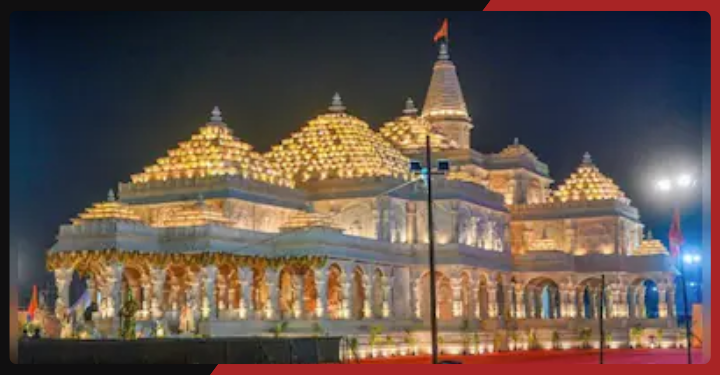
The race for the CEO position of the Ram Mandir in Ayodhya has become one of the country’s most closely watched recruitment exercises. Thousands of people applied for the position, with later reports indicating that approximately 5,200 applications were received. Only 18 candidates were eventually shortlisted for interviews.
The first day of interviews brought eight candidates before the selection panel. The group reportedly included three former IAS officers, one former IPS officer and four former military officers. Their presence illustrates the level of administrative and leadership experience being considered for the position.
Yet the interviews have attracted particular attention because candidates were reportedly asked questions that would not normally appear in a conventional corporate CEO interview.
Candidates were reportedly questioned about their faith in Lord Ram, whether they wear a janeu, whether they eat vegetarian food, whether they consume alcohol and whether they understand Hindu customs. They were also asked about their comfort with traditional Hindu dress practices.
The questions have generated curiosity because they bring personal lifestyle and religious identity into a high-level recruitment process. At the same time, the temple trust’s decision needs to be understood in the context of the nature of the organization.
The Ram Mandir is a religious institution, and its CEO will operate within a framework of religious rituals and traditions. The person will have to coordinate administrative activities without interfering with the sanctity of the temple’s religious functions.
This is one reason why knowledge of religious customs could be considered relevant by the institution. A CEO who understands the environment may be better positioned to communicate with religious authorities and understand the expectations surrounding ceremonies.
However, the position is also heavily administrative. The CEO will be expected to oversee day-to-day management, making professional experience extremely important.
Managing the temple means dealing with visitors on a massive scale. Pilgrim numbers can increase sharply during festivals and special occasions. Crowd control, security arrangements and transportation therefore become essential areas of management.
The CEO will also need to ensure that visitors receive basic facilities. Clean drinking water, sanitation, medical assistance, information services and orderly queues all contribute to the overall pilgrimage experience.
Technology is another area where the next CEO could have a significant role. Digital ticketing, information systems, donation tracking and crowd-monitoring tools can help modernize operations.
Financial management may be equally important. The administration of donations requires transparent procedures, proper documentation and strong internal controls. Any failure in financial systems can damage public trust.
The temple’s recruitment exercise appears to recognize the need for such professional capabilities. Earlier reporting about the application process said candidates were asked about educational qualifications, administrative experience, leadership, management of large events and their vision for the temple trust.
This means that the personal questions reported during the interview are only one part of a much broader evaluation.
The selection process itself has been structured through a specialized committee. Reports identify retired Supreme Court judge Justice Pramod Kohli, retired Lieutenant General Vishnukant Chaturvedi and former scientist Suresh Haware as members of the interview panel.
The committee is expected to narrow the field to three candidates. Those names will then be sent to the temple trust, which will select the final CEO.
The competition is significant because the position offers an opportunity to shape the administrative future of one of India’s most important religious destinations.
Ayodhya has undergone a major transformation in recent years. Improved connectivity, new infrastructure and the growing prominence of the Ram Mandir have increased the city’s importance as a pilgrimage and tourism centre.
The CEO will therefore have to think beyond the temple premises. The visitor experience involves transportation, accommodation, sanitation, security and coordination with the wider city administration.
This makes strategic planning essential. The next CEO may have to develop long-term systems capable of handling increasing visitor numbers without compromising safety or religious practices.
The recruitment process also raises a broader question about leadership in religious institutions. Should the ideal administrator be selected mainly on professional credentials, or should personal familiarity with religious traditions play a substantial role?
There is no simple answer. The successful candidate will probably need to demonstrate a combination of both qualities. A purely corporate approach may fail to appreciate religious sensitivities, while religious familiarity without strong administrative skills may not be enough to manage a large and complex institution.
The final appointment will therefore be closely watched. The selected candidate will inherit a role requiring both sensitivity and authority, tradition and modernization, faith and professional management.
With 18 candidates shortlisted from thousands of applicants, the final decision will be a major milestone for the Ram Mandir administration. It will also signal what the temple trust expects from the person responsible for managing its rapidly expanding operations.
Journalist Details

Latest entries
 Latest NewsSeptember 26, 2026Gyanesh Kumar Row Expands as Political Parties Seek Greater Transparency From Poll Body
 Crime NewsSeptember 22, 2026One Suspect Held After Gunfire in Delhi Minor Assault Investigation
 NewsSeptember 20, 2026Mumbai Coastal Road Tragedy: BMW Crashes Through Barrier, Three Young Lives Lost
 Latest NewsSeptember 17, 2026Aaditya Thackeray Denies Disha Salian Link as Father Issues Rs 500 Crore Notice