Hemant Soren Government Under Pressure as Jharkhand Students Threaten August 20 Gherao
The Hemant Soren government in Jharkhand is facing growing pressure from students and job aspirants protesting alleged irregularities in recruitment examinations. The movement, which has continued for weeks, has now entered a politically sensitive stage after student leaders announced plans to burn effigies of Chief Minister Hemant Soren and Congress leader Rahul Gandhi and warned of a gherao of the Chief Minister’s residence on August 20.
The agitation began around concerns involving recruitment examinations conducted by JPSC and JSSC. Students have accused the system of failing to guarantee a transparent and credible selection process. The allegations have become a major political issue in Jharkhand, with opposition parties also demanding investigations.
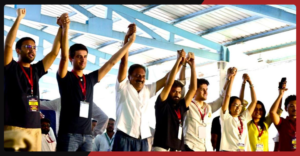
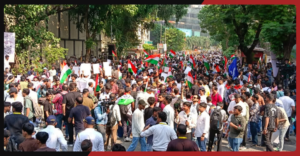
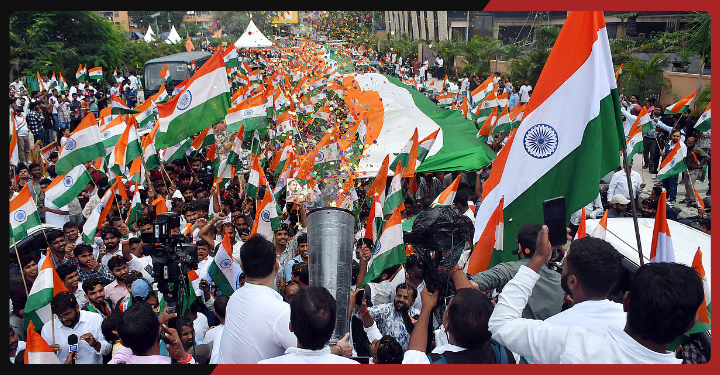
The movement gained momentum in Ranchi through marches, sit-ins and hunger strikes. On July 29, thousands of students marched through Ranchi carrying placards demanding cancellation of the 14th JPSC preliminary examination and a CBI investigation into alleged irregularities.
The state government has since taken significant decisions.
Chief Minister Hemant Soren announced the cancellation of the 14th JPSC civil services examination in the Assembly. He also indicated that two additional JPSC examinations would be scrapped and that the government would investigate examinations conducted by TDPL.
The government has also sought to assure students that recruitment examinations will become more transparent. Soren has said that his administration would introduce comprehensive reforms and would not allow talent to be affected by malpractice or irregularities.
Nevertheless, students have continued to protest.
This indicates that the political problem facing the government is not simply the cancellation of an examination. The larger issue is credibility. Students want to know whether future recruitment examinations will be conducted without irregularities and whether allegations from previous examinations will be investigated properly.
For a government, this is a difficult issue because employment examinations involve thousands of candidates and significant administrative machinery. Any decision can have consequences for candidates who have already taken examinations, those preparing for future tests and people waiting for recruitment results.
The proposed August 20 gherao increases the pressure.
If thousands of protesters attempt to surround the Chief Minister’s residence, the administration will have to deploy substantial security forces. At the same time, excessive restrictions could generate further anger among protesters.
Previous events have shown how quickly the situation can become tense. On August 10, protesters marching toward the state legislature clashed with police. Authorities used tear gas, batons and water cannon to disperse the crowd. Reuters reported that the protests had begun on July 25 and were linked to allegations of misconduct in recruitment examinations.
The government therefore has an opportunity to prevent another confrontation through dialogue.
There have already been attempts to open communication. Government officials approached protesting students, and the Chief Minister invited representatives to meet him. The students sought time to discuss the invitation before responding.
The next stage could depend on the quality of this dialogue.
Students are likely to demand specific timelines, investigation mechanisms and guarantees for future examinations. The government, meanwhile, will need to explain what administrative reforms can realistically be implemented and how long they will take.
The involvement of Rahul Gandhi in the announced effigy-burning programme also highlights the political complexity of the issue. Congress is part of the ruling alliance in Jharkhand, so student criticism directed at the Congress leadership effectively broadens the political target of the movement.
Opposition parties are already attempting to highlight the issue. BJP leaders have publicly raised recruitment allegations and demanded a CBI probe.
The government must therefore prevent the recruitment controversy from becoming purely a political battle. The most effective response may be to focus on verifiable facts, independent investigations and measurable reforms.
The students, too, face a responsibility. Their concerns have attracted widespread attention, but maintaining a peaceful movement will be important if they want continued public support.
August 20 could become a major moment in the dispute. Whether it becomes a day of confrontation or a day that pushes both sides toward a settlement will depend largely on what happens in the days leading up to it.
For the Hemant Soren government, the message from the streets is clear: students want more than promises. They want a recruitment system that they believe is fair, transparent and worthy of their trust.
Journalist Details

- Jitendra Kumar is an Indian journalist and social activist from Hathras in Uttar Pradesh is known as the senior journalist and founder of Xpert Times Network Private Limited.
Latest entries
 Latest NewsOctober 8, 2026SIR Row Spreads From Delhi to Bengaluru as Activists Demand Greater Electoral Transparency
 NewsOctober 7, 2026Rahul Gandhi Leads Opposition Showdown With Election Commission Over Voter Rolls
 NewsOctober 6, 2026Harmanpreet Kaur’s Captaincy Journey Ends After Years of Highs, Pressure and Historic Achievements
 NewsOctober 4, 2026Houthi Positions Targeted in Major Yemen Offensive as Army Claims Hundreds Killed