Modi Calls for Greater Strategic Understanding Ahead of Trump Meeting
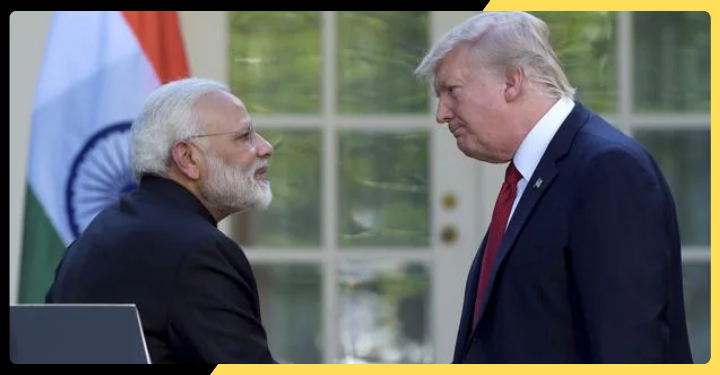
Indian Prime Minister Narendra Modi has emphasized the importance of greater strategic understanding ahead of his anticipated meeting with former U.S. President Donald Trump, signaling the need for stronger cooperation between two of the world’s most influential democracies. As global challenges continue to evolve, the discussions are expected to focus on strengthening bilateral relations while addressing areas where differences in policy and priorities have created uncertainty.
The India-United States relationship has grown considerably over the past two decades. What was once a limited partnership has transformed into a multifaceted alliance encompassing defense, trade, technology, energy, and regional security. Both countries increasingly recognize the value of working together in an international environment marked by geopolitical tensions, economic competition, and rapid technological change.
Modi’s call for greater strategic understanding reflects a broader recognition that strong partnerships require more than shared interests. They also depend on mutual respect, clear communication, and a willingness to understand each other’s perspectives. While India and the United States often cooperate on major global issues, they sometimes approach challenges through different strategic lenses.
One of the primary factors shaping the relationship is the changing balance of power in the Indo-Pacific region. Both nations have identified the region as a critical area for economic growth and security cooperation. As maritime routes become increasingly important for global trade, maintaining stability in the Indo-Pacific has emerged as a shared priority. Strategic coordination between New Delhi and Washington is therefore viewed as essential to safeguarding regional interests.
Defense cooperation has become one of the strongest pillars of the bilateral relationship. Joint military exercises, defense agreements, and intelligence-sharing arrangements have expanded significantly in recent years. India has also increased its defense engagement with the United States through the acquisition of advanced military equipment and participation in strategic dialogues. These developments have strengthened trust while enhancing the capabilities of both countries.
However, strategic understanding extends beyond military cooperation. Economic relations are equally important in shaping the future of the partnership. India and the United States maintain substantial trade ties, with businesses from both countries benefiting from increased investment and market access. Nevertheless, disagreements over tariffs, trade regulations, and commercial policies have occasionally created tensions.
The upcoming discussions are expected to provide an opportunity to address these concerns. Policymakers on both sides understand that economic cooperation can serve as a powerful driver of growth and innovation. Strengthening trade relations could create new opportunities for businesses, generate employment, and reinforce confidence among investors.
Technology is another area where strategic understanding is becoming increasingly important. Emerging fields such as artificial intelligence, quantum computing, cybersecurity, and semiconductor manufacturing are reshaping global competition. Both India and the United States are investing heavily in these sectors and recognize the value of collaboration. Enhanced cooperation could accelerate innovation while reducing vulnerabilities in critical supply chains.
India’s approach to foreign policy is likely to be a significant topic during the meeting. New Delhi has consistently pursued a strategy of maintaining productive relationships with a wide range of international partners. This policy of strategic autonomy allows India to protect its interests while remaining flexible in a rapidly changing geopolitical environment. Although the United States appreciates India’s growing global role, differences in policy approaches occasionally create challenges that require careful management.
People-to-people ties continue to provide a strong foundation for bilateral relations. The Indian diaspora in the United States has made significant contributions across business, academia, healthcare, technology, and public service. These connections strengthen cultural understanding and help foster long-term cooperation between the two countries.
Analysts believe that Modi’s emphasis on strategic understanding reflects the realities of modern diplomacy. In a world characterized by uncertainty and competition, countries must invest in relationships that are based on trust and shared objectives. Open dialogue and regular engagement can help prevent misunderstandings and ensure that differences do not overshadow common interests.
As Modi and Trump prepare for their meeting, expectations are high that the talks will produce meaningful discussions on trade, security, technology, and global affairs. The success of these conversations may depend on both sides’ ability to recognize each other’s priorities while identifying practical areas for cooperation.
Ultimately, greater strategic understanding could strengthen one of the world’s most important bilateral partnerships. By building trust, enhancing communication, and expanding collaboration, India and the United States can position themselves to address future challenges while advancing mutual prosperity and security.
Journalist Details

Latest entries
 Latest NewsSeptember 26, 2026Gyanesh Kumar Row Expands as Political Parties Seek Greater Transparency From Poll Body
 Crime NewsSeptember 22, 2026One Suspect Held After Gunfire in Delhi Minor Assault Investigation
 NewsSeptember 20, 2026Mumbai Coastal Road Tragedy: BMW Crashes Through Barrier, Three Young Lives Lost
 Latest NewsSeptember 17, 2026Aaditya Thackeray Denies Disha Salian Link as Father Issues Rs 500 Crore Notice