Jharkhand Students Refuse to End Protest After Government Dialogue Fails to Resolve Demands
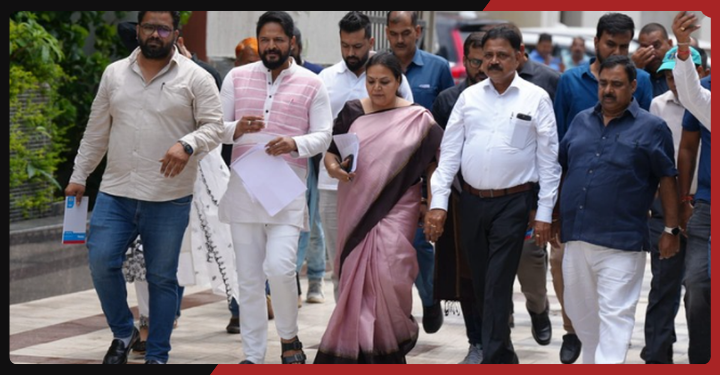
The student protest in Jharkhand is set to continue after government representatives failed to reach an agreement with another faction of demonstrators during the latest round of talks. The meeting had raised hopes of progress, but those expectations were not fulfilled.
Student representatives have continued to press the government on their demands, arguing that the issues cannot be resolved through assurances alone. They want clear action and commitments from the authorities before considering an end to the agitation.
The government’s decision to hold talks reflects an effort to prevent the dispute from escalating. Dialogue with student groups can provide a platform for discussing grievances and finding possible solutions. However, the latest meeting demonstrates that the differences between the two sides remain substantial.
The protest has become significant because of the number of young people affected by the issues being raised. Students often depend on government recruitment and examination systems for opportunities to build their careers. Delays, uncertainty or disagreements surrounding these processes can create considerable anxiety among candidates.
The movement also highlights the importance of transparent communication between the government and students. When large numbers of candidates are affected by a policy or administrative decision, clarity becomes essential. Students want to know what decisions are being considered, what changes may be introduced and when those measures will be implemented.
The latest talks with another faction also suggest that the government is attempting to engage with different sections of the protest movement. However, reaching separate groups may not be enough if the broader student movement remains united around its core demands.
For the protesters, the failure of the discussions is a reason to maintain pressure. Their decision to continue the agitation indicates that they do not believe the government’s current position adequately addresses their concerns.
The next phase of the protest could therefore depend heavily on the administration’s response. If officials announce fresh measures or invite representatives for broader discussions, there could be an opportunity to reopen negotiations.
On the other hand, if there is little movement from either side, the agitation could continue for longer. Prolonged protests can place pressure on the administration while also affecting daily activities in areas where demonstrations are taking place.
The dispute has consequently become more than a single meeting or negotiation. It represents a wider debate over how student concerns should be handled and how the government can maintain confidence among young people.
Both sides have an incentive to find a peaceful resolution. Students want their demands addressed, while the government needs to ensure that the situation does not escalate.
For now, however, there is no agreement. The latest talks ended without a breakthrough, and student organisations have indicated that their protest will continue.
The coming days could be important. Another round of dialogue, particularly one involving representatives from different factions, could help bridge the gap. Until that happens, Jharkhand’s student agitation remains unresolved.
Journalist Details

Latest entries
 Crime NewsSeptember 22, 2026One Suspect Held After Gunfire in Delhi Minor Assault Investigation
 NewsSeptember 20, 2026Mumbai Coastal Road Tragedy: BMW Crashes Through Barrier, Three Young Lives Lost
 Latest NewsSeptember 17, 2026Aaditya Thackeray Denies Disha Salian Link as Father Issues Rs 500 Crore Notice
 Latest NewsSeptember 14, 2026‘I Felt Unsafe’: Gurugram Woman Biker’s Road Rage Ordeal Caught on Video